
Care: Grooming & Gentle Hygiene for Comfort & Connection
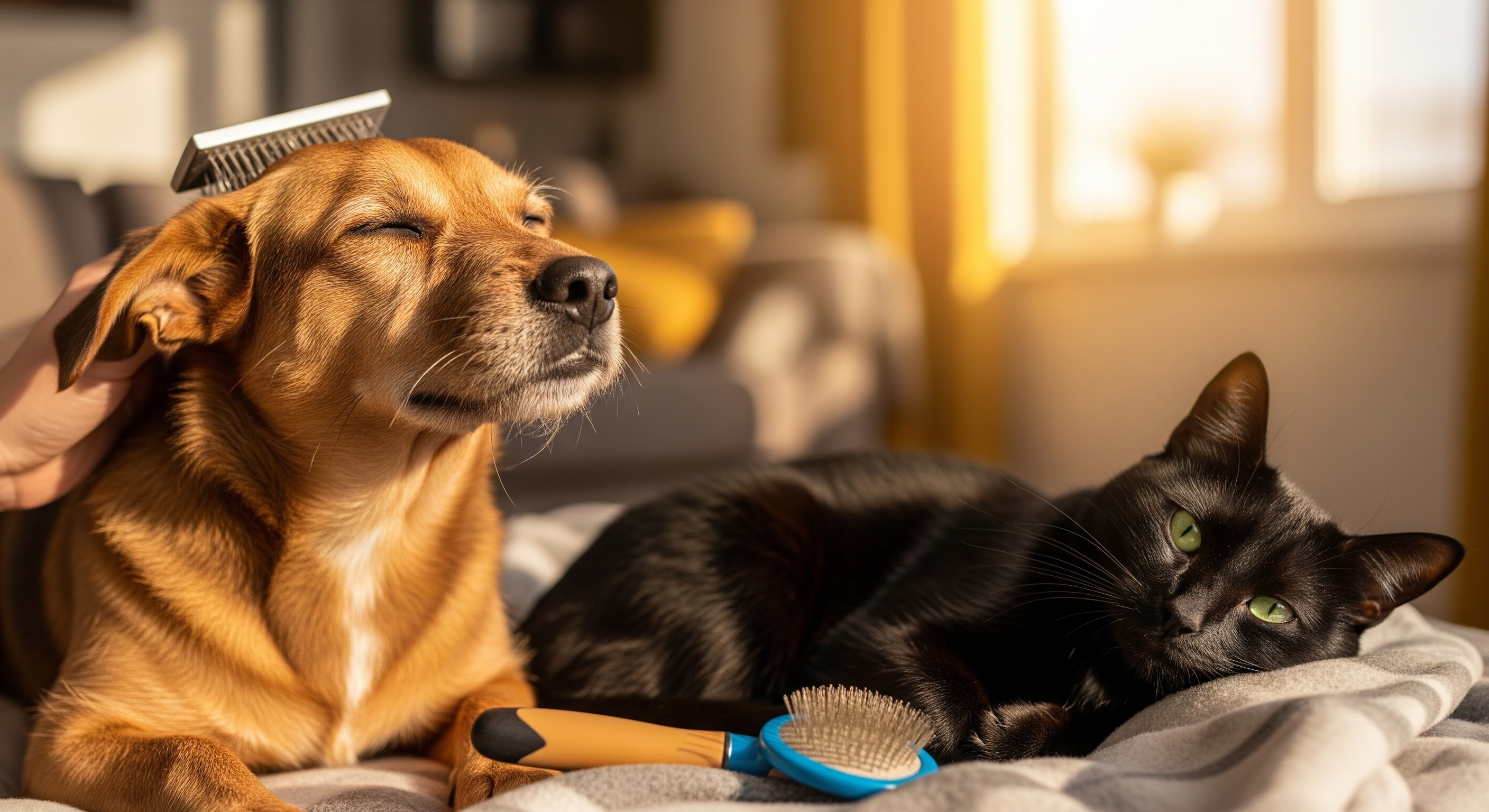
The Health Beneath the Shine
A glossy coat is a reflection of inner health. Regular brushing spreads natural oils, removes dirt and loose hair, and lets you spot skin or parasite problems before they worsen. Vets agree that consistent grooming, balanced nutrition, and parasite control reduce many common skin issues seen in clinics across South Africa.
A PRACTICAL GUIDE TO GROOMING YOUR DOG
Dog Brushing
Why It Matters
Brushing boosts circulation, helps regulate body temperature, and supports a resilient skin barrier. It’s also your best chance to catch fleas, ticks, or irritation early.
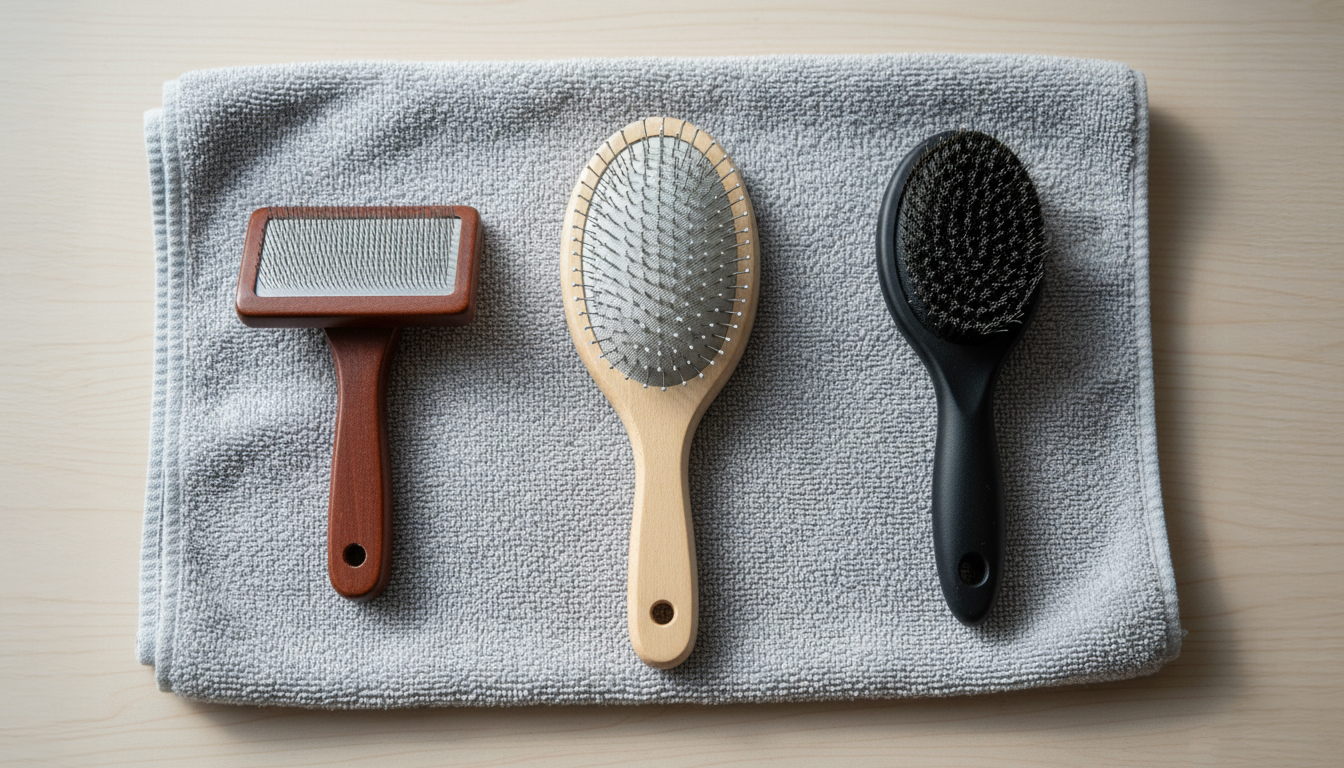
What You Need
Slicker brush • Pin brush • Bristle brush or mitt • Metal comb • Detangling spray • Microfibre cloth
How Often
- Long/double coats (e.g. retrievers, collies, huskies): several times a week; daily during shedding
- Smooth coats: once or twice weekly
- Seniors or itchy dogs: short frequent sessions beat occasional marathons
Coat Notes
Work from head to tail. Tease mats apart gently before brushing. Focus on friction spots – behind ears, armpits, tail base, feathering.
Practical Tips
Brush before bathing to avoid locked-in tangles. Keep strokes light and sessions positive with treats and gentle chat. End while your dog is still enjoying it.
TOP TIP
Spread a lick mat with xylitol-free peanut butter or plain yoghurt. It keeps mouths busy and turns brushing into a calm, positive ritual. For nervous dogs, this simple trick helps build lasting trust.
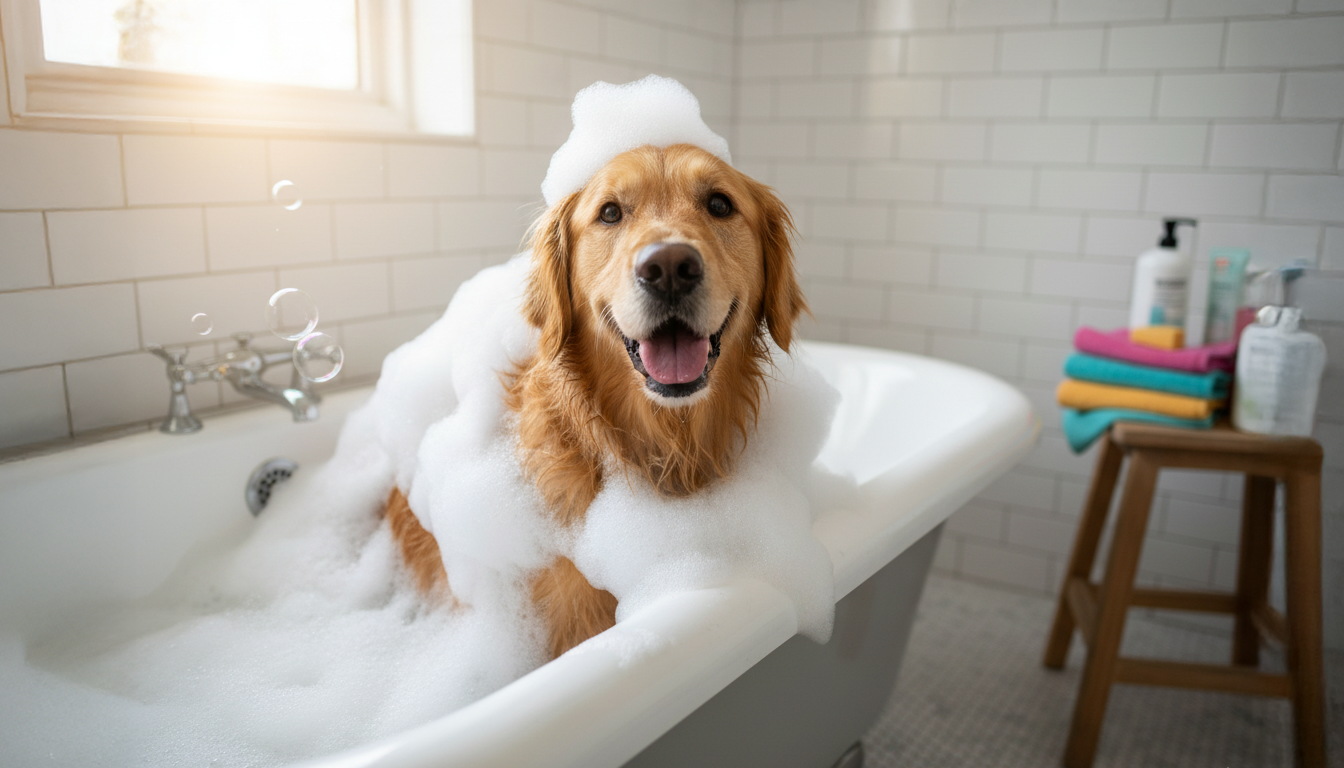
Dog Washing and Coat Care
Why It Matters
Bathing removes buildup and allergens, keeping skin clear and comfortable. Too many baths can dry the skin; too few allow dirt and yeast to thrive.
What You Need
Pet-formulated shampoo • Non-slip mat • Jug or sprayer • Cotton wool for ears • Towels • Cool dryer (optional)
How Often
Every few weeks to every two or three months, depending on coat, lifestyle, and skin health. Working or beach dogs may need more frequent gentle washes – always follow veterinary advice.
Practical Tips
Use lukewarm water and rinse until it runs clear. Dry completely to avoid hot spots or yeast growth. Squeeze-towel thick coats before drying for faster results.
TOP TIP
A lick mat on the bath wall keeps heads still while you rinse – freeing both hands for even cleaning and a calmer pet.
Dog Nail Care and Paw Health
Why It Matters
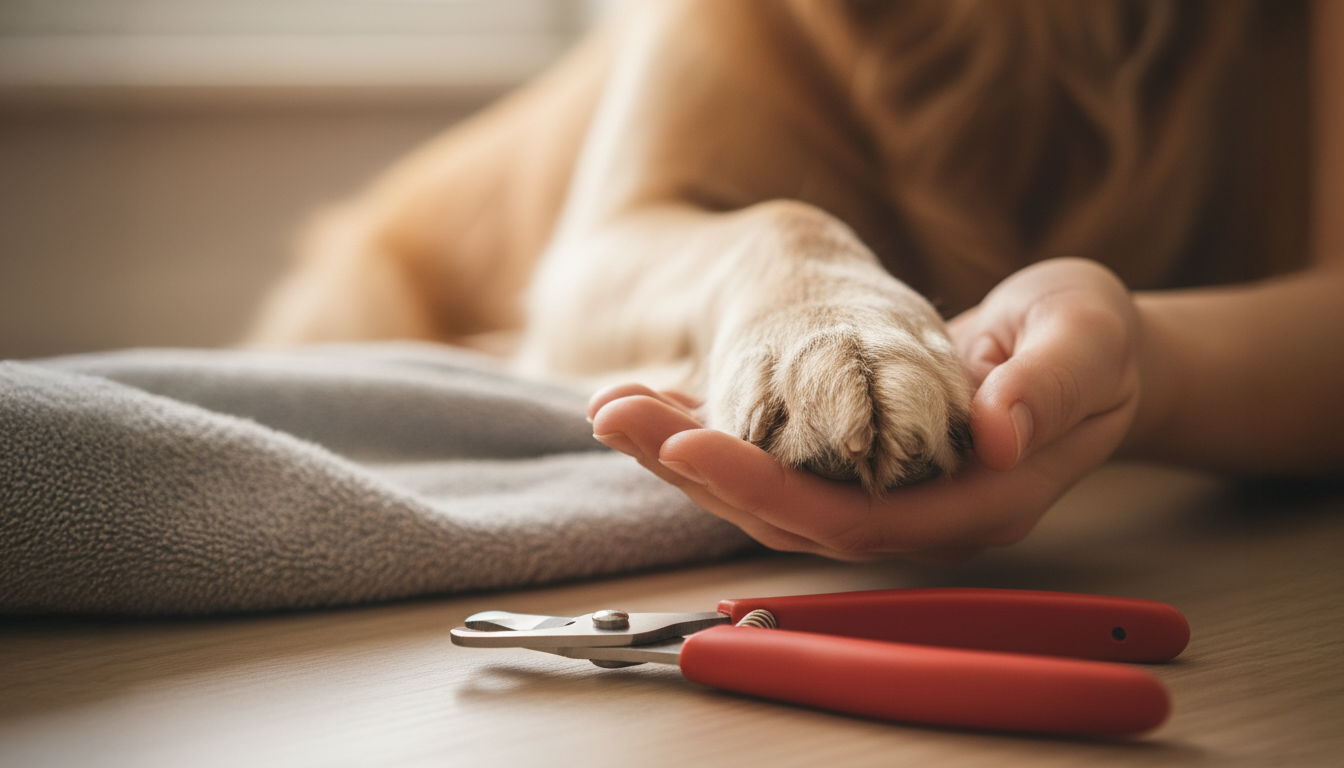
Overgrown nails alter posture, strain joints, and can split or tear.
What You Need
Dog-sized clippers or grinder • Styptic powder or corn-starch • Treats • Good lighting
How Often
Every 3 – 4 weeks for most dogs; active dogs may need less.
Practical Tips
Trim tiny slivers. Stop when you see a pale oval in dark nails. Check dewclaws weekly. If nervous, try a grinder for control.
TOP TIP
Count aloud – “one-two-three-clip” – and reward each paw. Predictability and praise build confidence faster than force.
Dog Anal Glands – The Not-So-Glamorous Essential
Why it Matters
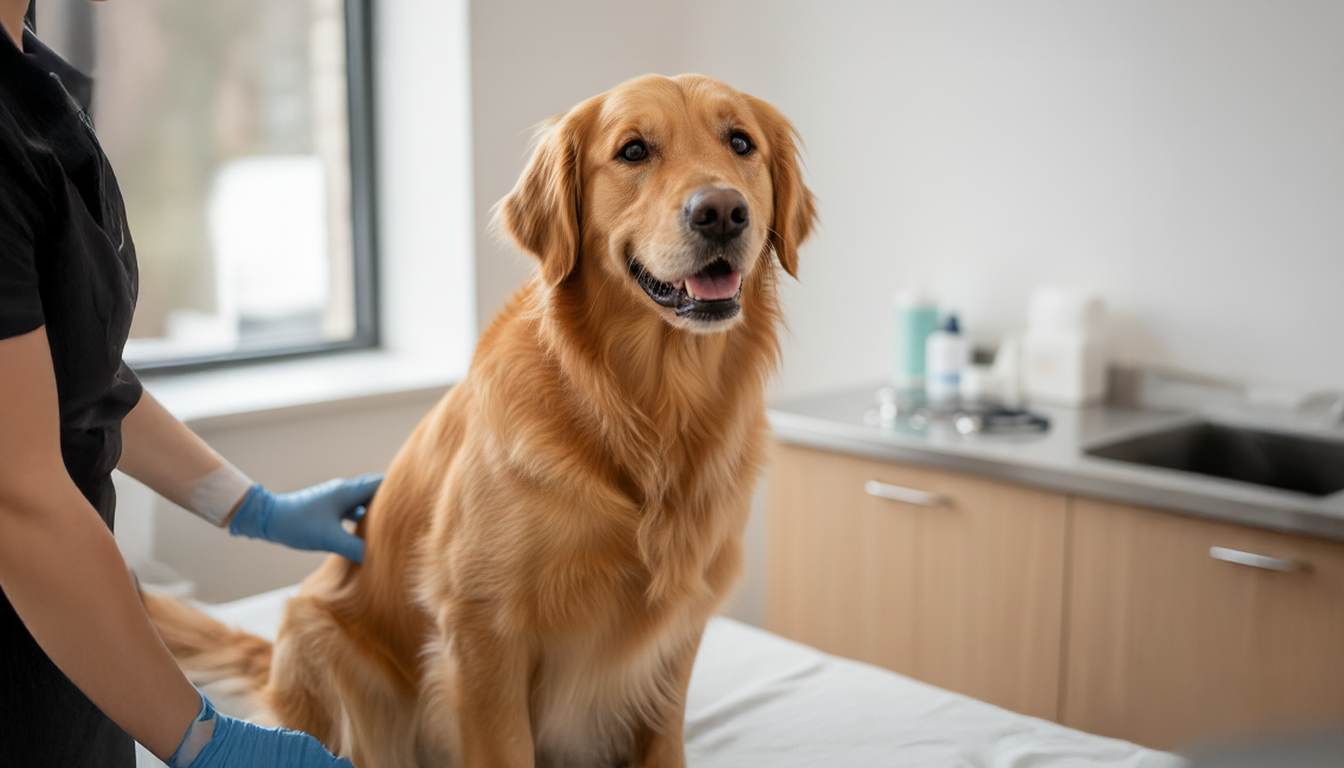
Dogs have two scent sacs beside the anus (normally emptied by firm stools). If the contents thicken, glands can block or infect, causing scooting, licking, or a fishy smell. Small breeds are especially susceptible.
What You Need
A trusted vet or professional groomer. Painful or recurrent cases require veterinary care – never force expression yourself, unless a professional has demonstrated how and given the go-ahead to do so.
Practical Tips
Maintain firm stools with balanced diet and parasite control. Avoid routine expression of healthy glands. Seek vet help for scooting or swelling.
TOP TIP
Add a quick monthly “comfort check” – weight, coat, stool quality, and gland condition. Early notes prevent late-stage surprises.
Dog Teeth and Oral Hygiene
Why It Matters
Plaque hardens to tartar, leading to pain, gum disease, and tooth loss. Bacteria from dental disease affect overall health. Smaller breeds are more susceptible to tooth decay.
What You Need
Dog toothbrush or finger brush • Enzymatic toothpaste • VOHC-accepted chews or rinses • Annual vet check
Practical Tips
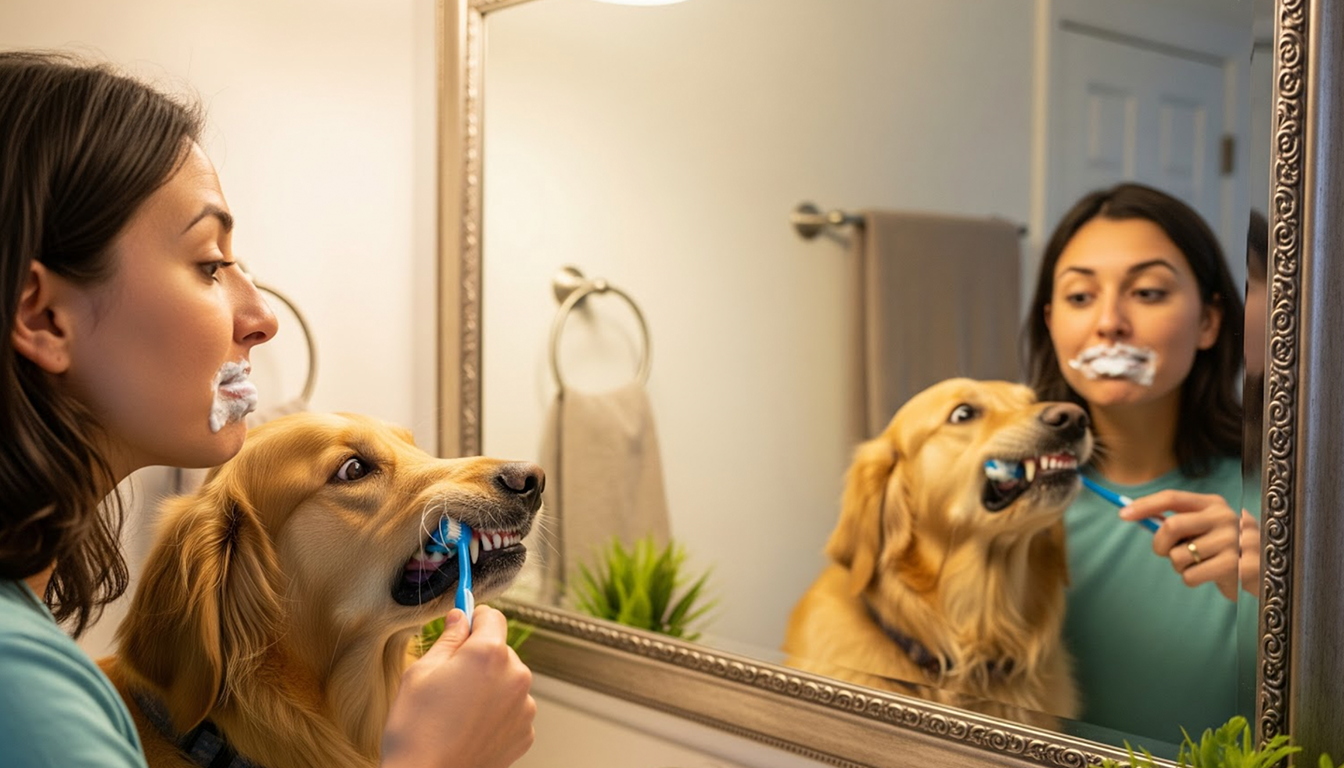
Introduce toothpaste first, then gentle brushing. Keep sessions short and fun. Use VOHC-approved alternatives if brushing is a battle.
TOP TIP
Brush while you do your own teeth. Habit-stacking makes consistency effortless.
A PRACTICAL GUIDE TO GROOMING YOUR CAT
Cat Brushing
Why It Matters
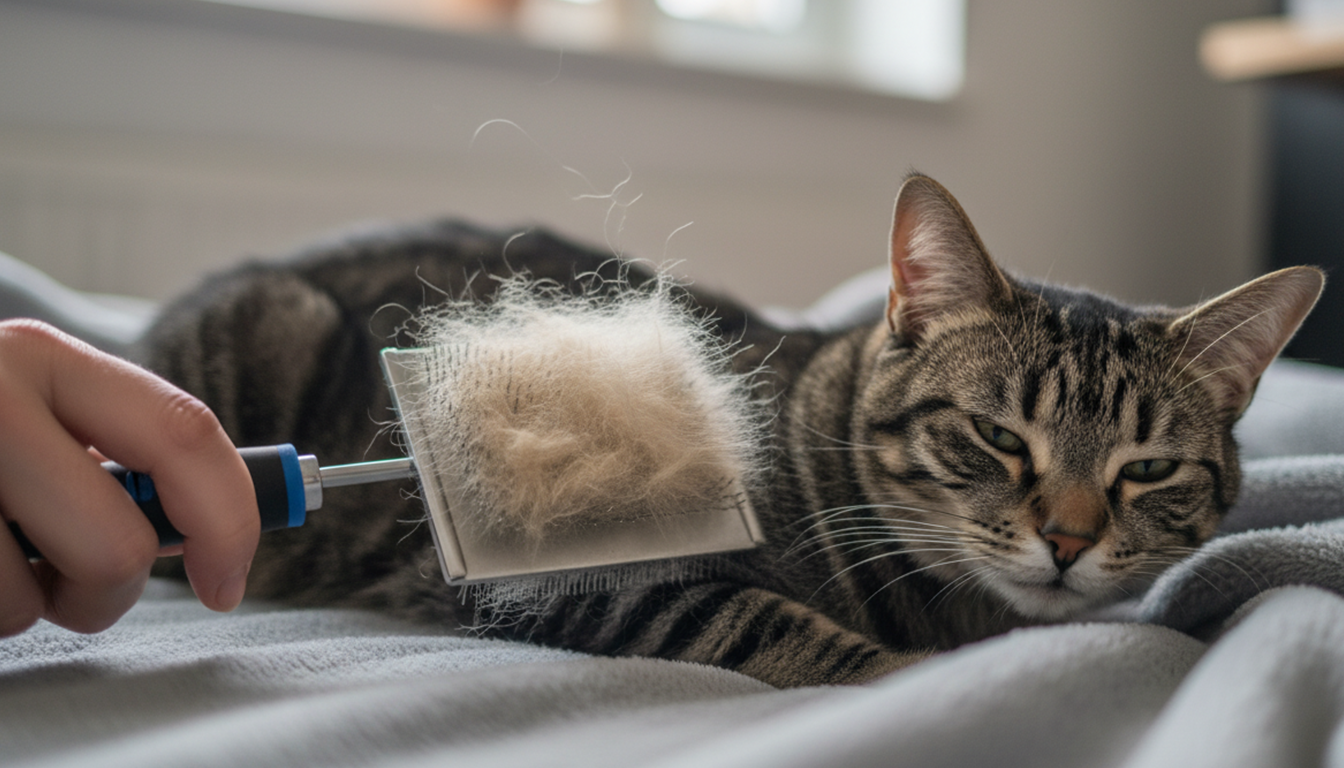
Brushing removes loose hair and reduces hairballs while stimulating healthy oil production. It also limits shedding and helps senior cats that groom less effectively.
What You Need
Soft slicker brush • Comb for long coats • Grooming mitt for short coats • Detangling spray
How Often
- Long-haired cats: daily or every other day
- Short-haired cats: once or twice a week
Coat Notes
Work with the hair’s direction and check armpits, belly, and behind ears for knots. Keep sessions light and stop on a positive note.
Practical Tips
Use a lick mat with pâté or tuna water to keep heads still. Create a regular “grooming spot” so your cat knows what to expect. Increase brushing during moults to reduce hairballs.
TOP TIP
Alternate three brush-strokes with one gentle hand-stroke – it feels like affection and keeps cats relaxed.
Cat Washing and Skin Care

Why It Matters
Cats are excellent self-groomers. Their tongues act like natural brushes, removing dirt and spreading oils to keep the skin balanced and healthy. Too many baths can strip these oils and stress the skin, so washing should only happen if your vet recommends it — for instance, when treating a skin condition or if your cat can’t clean properly.
What You Need
If bathing is necessary: cat-safe shampoo • Towels • Lukewarm water • Quiet, draft-free space
Practical Tips
Brush first, use minimal shampoo, rinse well, and dry thoroughly in a warm area. For most cats, a damp microfibre cloth does the job perfectly.
Top TipWhen in doubt, skip the bath — your cat’s own grooming is nature’s best care routine.
Cat Nail Care
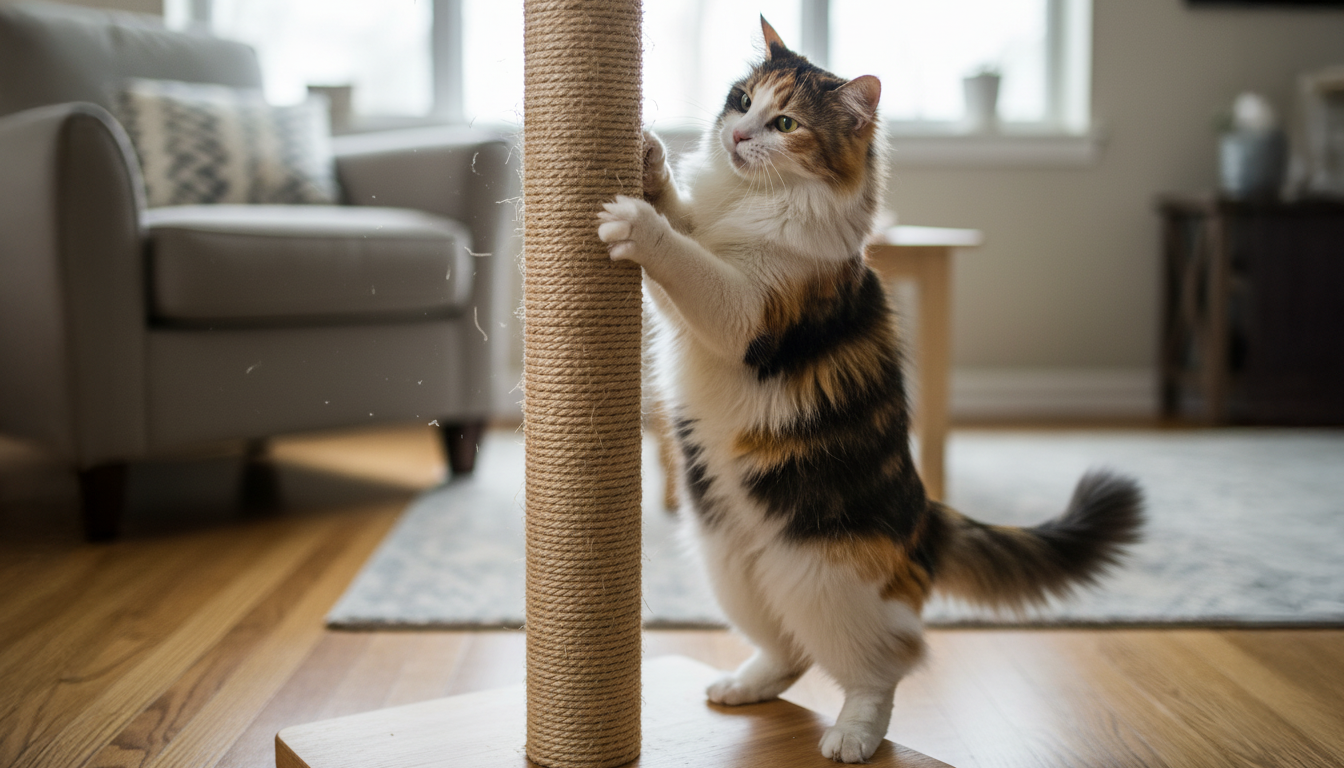
Why It Matters
Claws that grow too long can curl into pads or snag fabrics. Regular trims prevent injury and discomfort.
What You Need
Cat nail clippers • Styptic powder • Treats • Bright light
How Often
Every 2 – 4 weeks for indoor cats. Check dewclaws too.
Practical Tips
Press the pad to extend the claw and trim the clear tip only. Stop if you see the pink quick. Place scratching posts at shoulder height in busy spots to reduce trimming frequency.
TOP TIP
A lick mat on a shelf or window ledge distracts perfectly during trims – steady cat, clean cut.
Cat Teeth and Oral Hygiene
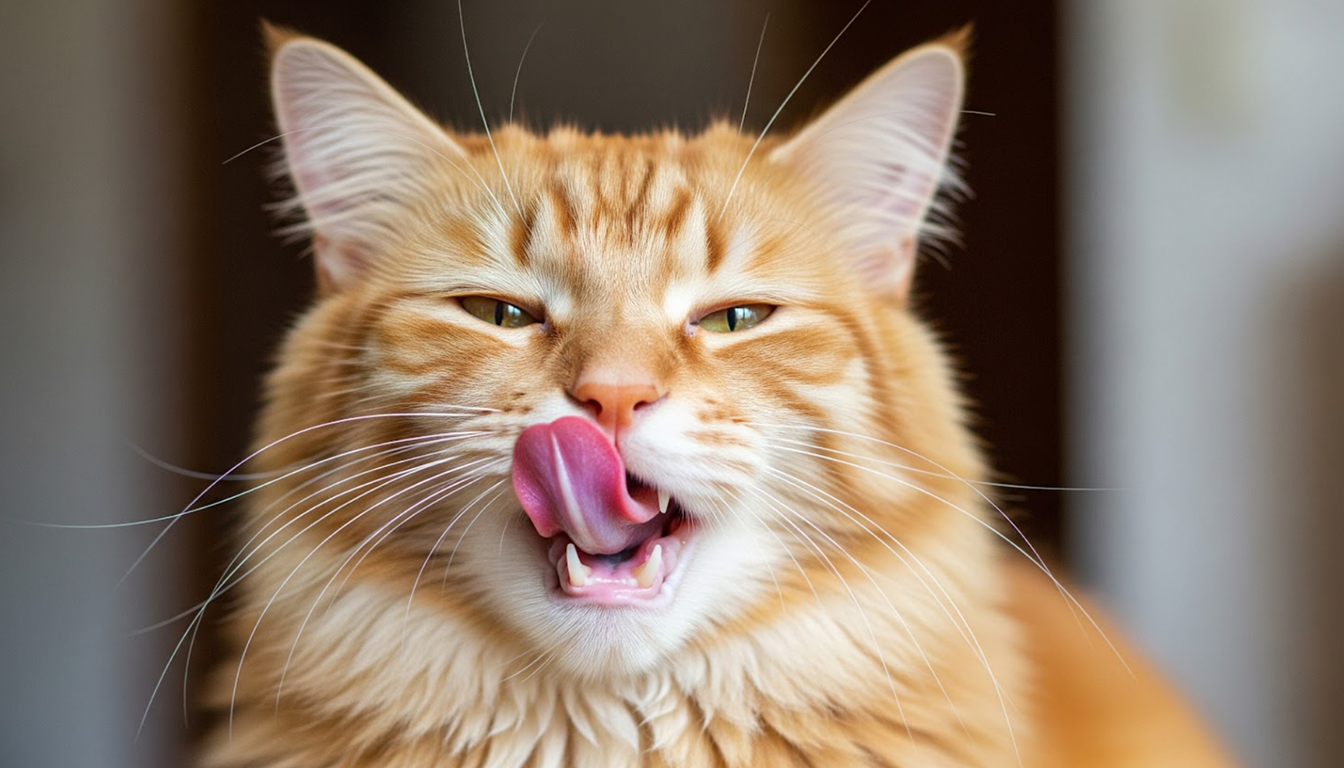
Why It Matters
Periodontal disease is common in cats and can cause pain, tooth loss, and systemic infection. Prevention through brushing is the best defence.
What You Need
Cat toothbrush or finger brush • Cat-safe enzymatic toothpaste • VOHC-approved treats or gels.
Practical Tips
Start slowly with toothpaste licks, then gum strokes, then quick brushes. Keep it pleasant and reward after each attempt.
TOP TIP
Try after a meal or playtime – a relaxed cat is easier to handle and learns faster.
For Pets Who Would Rather Skip the Salon
If your pet finds grooming stressful, go slow. Pair tools with treats and praise so they learn brushes, clippers, and water mean good things. Short, frequent sessions build trust. Lick mats are a brilliant ally – they occupy tongues and help bodies stay still for just long enough to succeed.
The Emotional Layer of Grooming
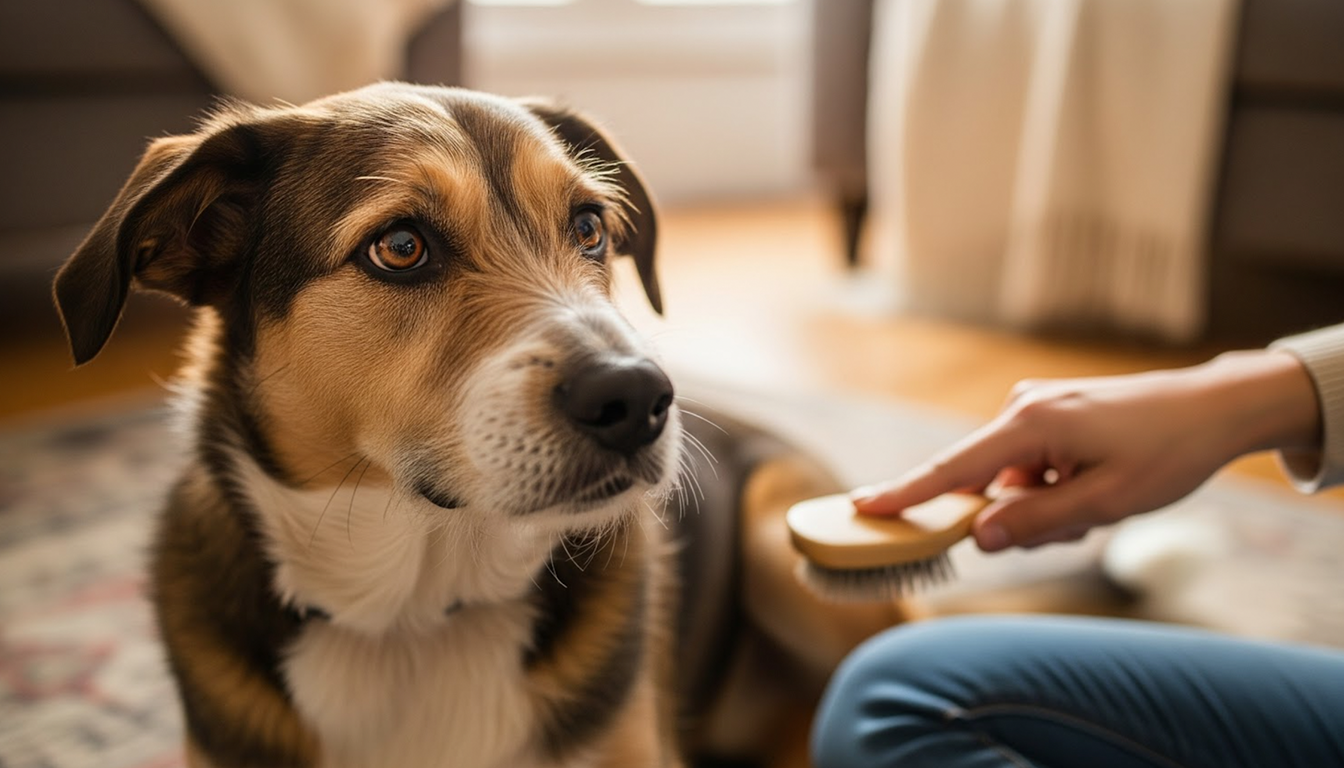
Image: Emotional shot: rescue dog or cat gazing softly at their owner during brushing.
Mutual grooming in the animal world means safety and belonging. When you brush or bathe your pet, you join that same quiet conversation of care. For rescues especially, each session says, “You’re home now. You’re safe.”
Final Woof & Purr
A healthy coat, tidy nails, and fresh breath reflect a cared-for life. Grooming links hygiene to health for dogs and cats – from skin and joints to stress and trust. Start small: brush often, set a sensible bath routine, check claws, and add a two-minute tooth-care habit. Professional groomers can help once your pet is confident. Early gentle exposure prevents fear later. No two pets are the same – some love grooming, others tolerate it – but attention and kindness always shine through.
👉 For more wellness guides, expert insights, and to meet adoptable dogs and cats, visit Pet Central. Today we covered dogs and cats; in future, we’ll explore every creature – big, small, and feathered.
References & Further Reading
South African Veterinary Association (SAVA) – Skin Diseases in Dogs and Cats: Common Causes and Care
RSPCA Pet Insurance – Dog Grooming Guide: How to Keep Your Dog Clean and Comfortable
FOUR PAWS South Africa – Skin Health and Coat Care for Dogs and Cats
Bryanston Veterinary Hospital – Pet Dental Care: A Guide for Pet Owners
Hill’s Pet Nutrition South Africa – How to Trim Dog Nails and Trimming Cat Claws
VOHC (Veterinary Oral Health Council) – List of Accepted Products for Dogs and Cats
MSD/Merck Veterinary Manual – Anal Sac Disease in Dogs
Dogs Trust – Handling Fear-Free: Grooming Tips and Counterconditioning
Walkerville Vet (Australia) – Lick Mats: Benefits, Cautions and Best Use


