

Nourish: Supporting Digestive Health & Balanced Nutrition
What’s Really in Your Pet’s Bowl?
A dull coat or noisy tummy can indicate dietary issues. Nutrition and digestion shape energy, mood, and overall health. Like humans, what pets eat and how they process it, impacts their health. A feeding routine tailored to each breed, stage of life, and lifestyle, is one of the simplest ways to support their digestive health and general wellbeing. As the popular saying goes, you are what you eat.
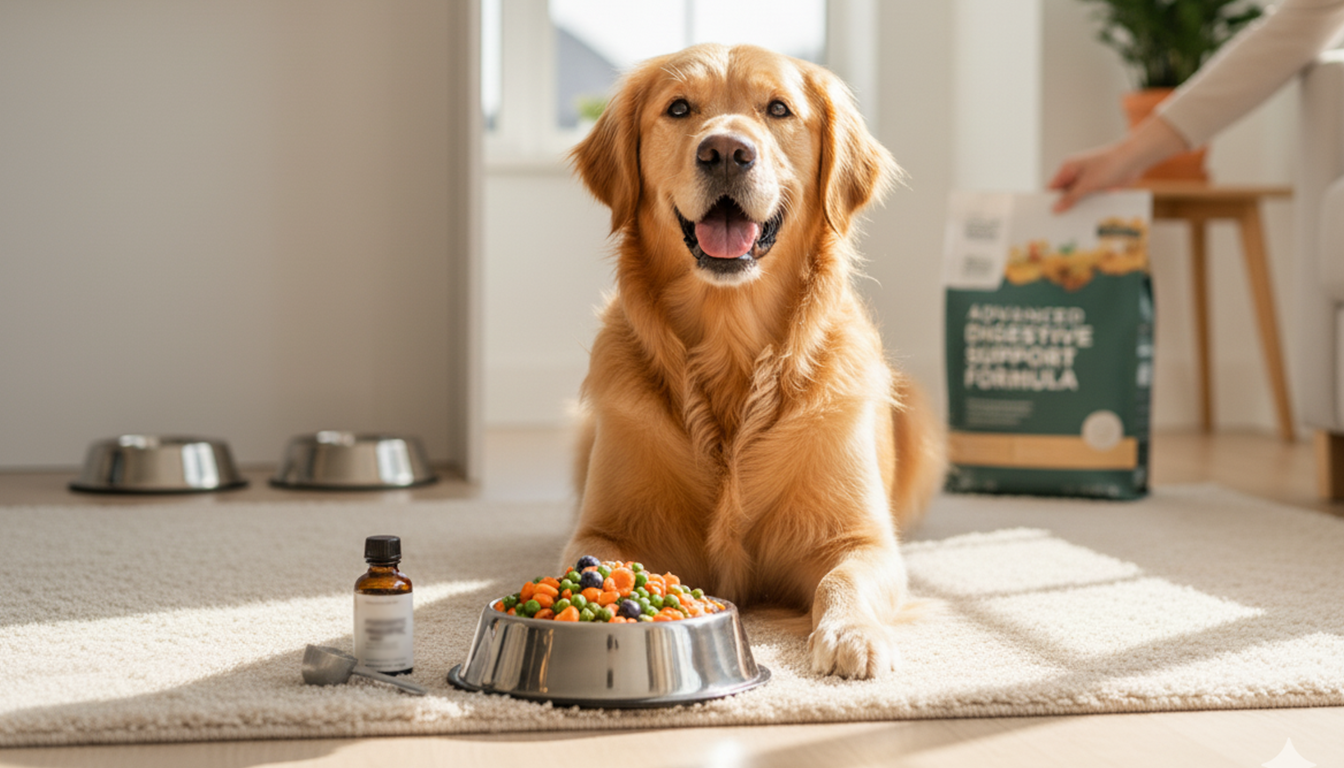
Understanding Your Pet’s Needs
Digestive systems differ across animals. Feeding each pet individually, rather than following a one-size-fits-all approach, keeps their gut healthy and their tail wagging.
Puppies and Kittens:
- Require high-quality protein and healthy fats for growth and brain development.
- Feed smaller, frequent meals to avoid overloading their stomachs.
- Prioritize the best-quality food your budget allows during the first year.
- Avoid leaving bowls full all day; it can cause overeating and reduce food as an accessible and crucial training reward (trust me on this one.)
Adults:
- Focus on balanced protein, moderate fat, and sufficient fiber.
- Keep portions consistent to prevent obesity.
- Natural Organic supplements such as Diatomaceous earth (DE) is a silica-rich powder that can support animal health when used appropriately. In small, food-grade amounts, it may help maintain digestive health, provide trace minerals, and promote healthy skin and coat. DE is also sometimes used as a natural aid for controlling internal parasites. It should always be introduced gradually and never replace veterinary care.
- Another powerful natural supplement which is extremely beneficial to add into one's bowl; Chia seeds, rich in omega-3 fatty acids; vitamins A, B, E, and D; minerals, fiber, calcium, and protein. These humble seeds are a great source of antioxidants and support digestion and colon health.
Seniors:
- Need fewer calories but additional joint and digestive support.
- Foods rich in omega-3s and antioxidants help reduce inflammation and maintain gut balance.
- Supplements like rosehip, turmeric, and coconut oil, as well as fermented foods and kefir, support senior health.
Breed and Size Matter:
- Small breeds have faster metabolisms; calorie-dense, small-bite kibble works best.
- Large breeds benefit from controlled calcium and calorie intake for joint and bone health.
- Sensitive breeds, like German Shepherds or Siamese cats, thrive on gentle, easily digestible diets.
Do’s and Don’ts for Digestive Health
✅ Do:
- Feed on a consistent schedule with measured portions.
- Transition new foods gradually (over a 7–10 day period).
- Include fiber and probiotics (vet-approved).
- Use slow feeders or puzzle bowls for fast eaters. This is for your food driven breeds, such as Labrador Retrievers, Golden Retrievers, Boxers, Staffordshire Bull Terriers K9s & Siameses, Bengals and Oriental Shorthair felines.
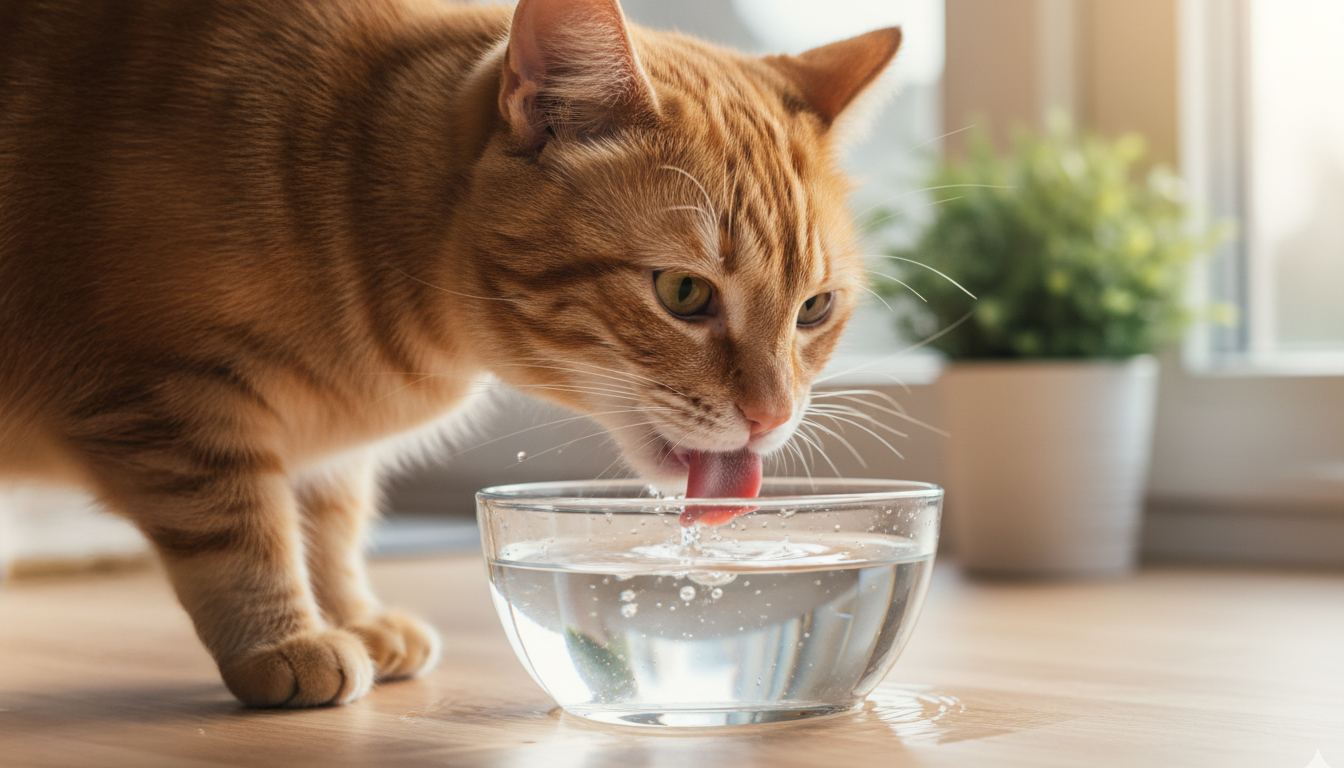
- Provide fresh, clean water at all times.
🚫 Don’t:
- Overfeed; extra calories can lead to obesity or bloat.
- Offer fatty, spicy, or sugary human foods; they can upset digestion or be toxic. Yes, even that extra piece of biltong could throw their gut into upheaval.
- Ignore ongoing signs of digestive distress like vomiting, bloating, or diarrhea.
Sterilised Pets & Their Diet:
Hormonal and metabolic changes after spaying/neutering can slow metabolism and increase appetite. Diets for sterilised pets should focus on high-quality protein, moderate fat, and added fibre. Monitoring portions, encouraging exercise, and providing nutrient-complete meals help maintain optimal weight and prevent obesity-related issues such as diabetes, joint problems, and urinary complications. A lesser-known fact: sterilised cats are slightly more prone to lower urinary tract issues if their diet doesn’t provide adequate hydration and balanced minerals. Wet or high-moisture diets can help maintain both weight and urinary health.
Best Practices for a Happy Tummy
The South African Veterinary Association highlights that nutrition and digestive health are critical in disease prevention. Vet-approved habits include:
- Check labels: Choose complete, balanced foods for your pet’s life stage. Avoid vague by-products or fillers; prioritise high protein.
- Monitor weight: You should feel, but not see, your pet’s ribs. Adjust portions as needed.
- Transition gradually: Especially important for cats to avoid stomach upset.
- Feed mindfully: Scatter feeding or slow bowls encourage natural foraging and reduce gulping.
- Hydrate: Wet food or water-rich snacks like cucumber, plain yoghurt, zucchini, or boiled chicken support digestion. Megan Baynes recommends including moisture and whole foods rich in quercetin for pets prone to allergies.
Tools & Partner Favourites
Pet Central recommends products that simplify healthy feeding:
- Slow-feed bowls to reduce gulping and inhaling one's dinner.
- Probiotic treats to support gut flora.
- Hydration fountains to encourage water intake.
We love LickiMats, which slow eating, reduce bloating, and provide mental stimulation. The LickiMat Soother is ideal for spreading soft foods like kefir, organic peanut butter, or Vondi’s meals.
Vondi’s Holistic Pet Nutrition offers cooked meals with real, digestible ingredients like lean meats, vegetables, and slow-cooked grains. These meals support digestion, nutrient absorption, and overall gut health while being free from artificial preservatives. High-moisture, gently cooked recipes are ideal for pets with sensitive stomachs or digestive concerns.
👉 vondis.co.za
👉 lickimat.com
Pro Tips & Myths Busted
- Tip: Hydration is crucial for digestion; pets who drink less may experience constipation.
- Myth: Table scraps are harmless. Even small amounts can cause imbalances or toxicity.
- Tip: Exercise promotes gut motility and metabolism.
- Myth: High-protein diets are always best; too much can strain kidneys.
- Tip: Ingredient quality matters more than marketing claims; life-stage-appropriate meals are key.
Final Woof and Meow
Understanding your pet’s unique needs turns every meal into an act of care. Nutrition is more than food, it’s love, science, and connection. Healthy pets are happy pets, and happy pets strengthen communities.
Give your furry friend the gift of better nutrition. Meet dogs and cats waiting for homes on our site and see how balanced diets help every rescued pet thrive.
References & Further Reading:
South African Veterinary Association (SAVA) – Pet Nutrition Guidelines: https://www.sava.co.za/for-pet-owners/pet-nutrition/
UC Davis School of Veterinary Medicine – Animal Nutrition Resources: https://www.vetmed.ucdavis.edu/hospital/small-animal/nutrition
Animal Soul – Natural Pet Remedies: https://animalsoul.co.za/natural-pet-remedies/
Veterinary Partner – Feline Digestive Health: https://veterinarypartner.vin.com
African Pet Health Summit: https://www.africanpethealth.co.za/home
Megan Baynes – Animal Nutritionist: https://www.cnpnutrition.com/about-1


