

Protect: Preventive Care to Support Long Term Health

What Preventive Care Really Means
Preventive care is the practice of staying ahead of trouble rather than chasing after it. It means keeping an eye on the tiny warning signs, the small imbalances and the quiet behavioural shifts that pets rarely announce outright. Research from groups like VCA Hospitals and the Animal Humane Society keeps repeating the same simple truth. Early care is powerful.
And here is the thing. Pets are stoic. They soldier through discomfort and try to keep everything normal. Prevention lets you spot what they cannot quite express. Pets, especially cats, have evolved to hide pain and illness as a survival instinct. In the wild, showing weakness puts them at risk, so even in our homes, they often mask what they are feeling. This means the smallest changes in posture, appetite, grooming, or energy can hint at something bubbling under the surface. When something feels a little off, trust that instinct. Picking up on those tiny cues early makes a world of difference and gives your vet the chance to step in before a problem settles in.
Routine Care: The Essentials
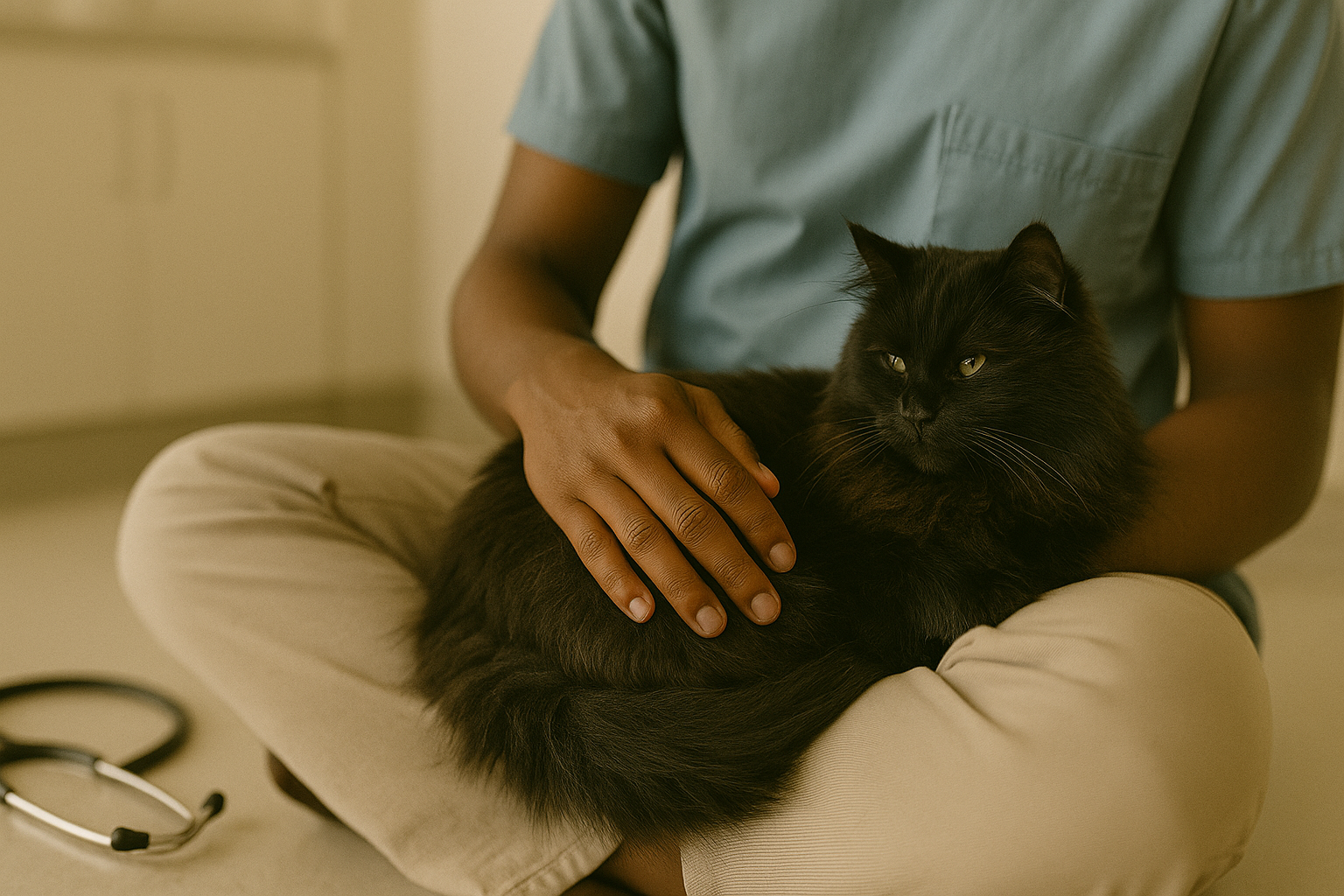
Routine care is the backbone. Yearly or bi-yearly vet visits matter more than most people expect. They reveal tooth trouble, small lumps, changes in breathing, joint stiffness, early kidney shifts. These are the things you would never catch at home.
A few essentials keep long term health on track.
• Regular parasite control.
• Dental hygiene or at least quick checks of the breath.
• Consistent body condition checks.
• Blood tests as pets age.
• Good cleaning and grooming routines at home so you notice changes early.
It is quiet work. But it does add years to your pet’s life.
"Preventive care is really a collection of small choices that protect a pet’s comfort and energy long before anything feels urgent."
— PetMD, Preventive Care Guidance

Behaviour Speaks First: Learning to Read the Signs
Most early health issues whisper before they shout. A cat grooms more than usual. A dog becomes clingy. A rabbit stops binkying. A bird goes quiet. These shifts rarely look dramatic, yet they tell you everything.
Behaviour often overlaps with emotional wellness too, something we explored in Connect. Stress and discomfort can look nearly identical. This is why noticing small things like appetite changes, water intake, sleep habits or litter box patterns may be the best gift you ever give your pet.

The First Step to Wellness Starts Before You Bring Them Home
Preventive care actually begins before you even meet your pet. The right match makes lifelong wellness easier. A high-energy dog in a quiet home, or a very social pet with an owner who works long hours, sets the stage for chronic stress.
So think honestly.
• How much time can you give?
• How busy or calm your home is.
• Costs, food, insurance and grooming.
• Personality, age and energy levels that suit your lifestyle.
• Space, kids, other pets and routines.
Good fit makes for good health.
"The choices you make at the start shape your pet’s mental and physical wellbeing for years."
— ResearchGate, Preventive Care for Pets
Pet Specific Preventive Needs
Dogs
Dogs often show early signs of joint stiffness, dental build up or weight gain. Support them with movement that suits their body, breed specific screening and enrichment that plugs straight into the Connect blog principles.
Cats
Cats hide discomfort impressively well. Kidney checks, dental care, safe resting spots, play cues and indoor movement are essential. Everything from the Move and Connect blogs applies heavily here.
Rabbits and Small Mammals
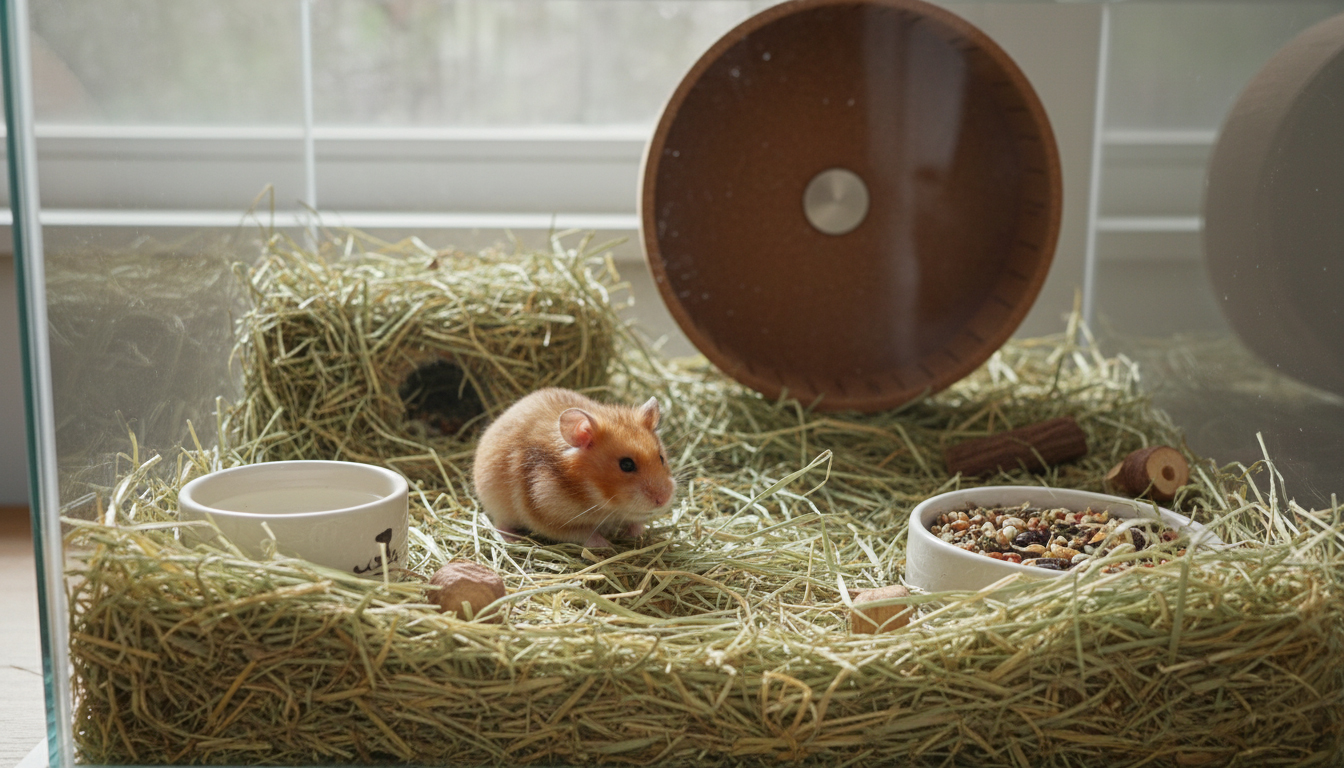
These little ones have delicate systems. They need constant access to hay, gentle grooming, clean environments and low stress household rhythms, exactly the themes echoed in the Care blog.
Birds
Birds rely on healthy air quality, varied perches, balanced diets and close observation of behaviour and feathers. They show their wellbeing in small but clear ways if you know what to look for.

Smart Cover Choices That Support Long Term Wellness
Insurance can feel like admin, but it saves you from tough choices later.
Many South African providers offer cover for injuries, illness and even long term conditions, and having that support means you can prioritise preventive care instead of postponing it.
It is essentially a safety net.
Pet Central has partnered with Dotsure to make that safety net even more accessible.
Anyone who has faced an unexpected vet bill knows how fast the numbers climb, and Dotsure’s quick claims, flexible plans and reliable support make a real difference when you need it most.
Use our link to sign up and enjoy 50% off your first month’s premium. It is an easy way to support your pet’s long term health while giving yourself a bit of financial breathing space too.

Click here to sign up
Final Woof
Looking back at the last month, everything fits together more neatly than you might expect.
Nourish showed that digestion shapes energy and immunity.
Move reminded us that motion keeps bodies young and hearts strong.
Care taught us how hygiene and touch create comfort and trust.
Connect explored emotional wellness and the need for safety.
Protect brings the whole picture into focus by safeguarding long term health.
Wellness is not a single act. It is a collection of small choices, repeated day after day, that slowly shape a healthier life.
Ready to keep learning or meet a pet who needs a fresh start?
👉 Explore Pet Central’s blogs or browse pets waiting for adoption.
References and Further Reading:
We Love Pets SA, Understanding Mental Health in Pets
PetMD, Preventive Care for Pets
VCA Animal Hospitals, Preventive Health Care Guidelines
Animal Humane Society, Why Preventive Care Is Essential
Pet Vet Care Centres, Preventive Care Guide for Dogs
ResearchGate, The Importance of Preventative Care for Pets
Nemacolin Veterinary Centre, The Importance of Preventive Care


