

Your Dog Has Been Talking To You (Here’s What They’re Saying)
Your dog is speaking … constantly!
They may not use words, but they have a language all their own, made up of postures, facial expressions, tail wags, and even the rhythm of their breathing.
Understanding this language isn’t just about curiosity. It’s about safety, trust, and emotional well-being — for both you and your dog. When we learn to interpret these cues, we give our pets a voice and help them navigate the world with confidence.
The Basics: How Dogs Communicate Without Words
Dogs communicate through a mix of visual signals, vocalisations, and chemical cues (like pheromones). The visual signals are the ones we notice most — and often misunderstand.
Here are the key areas to watch:
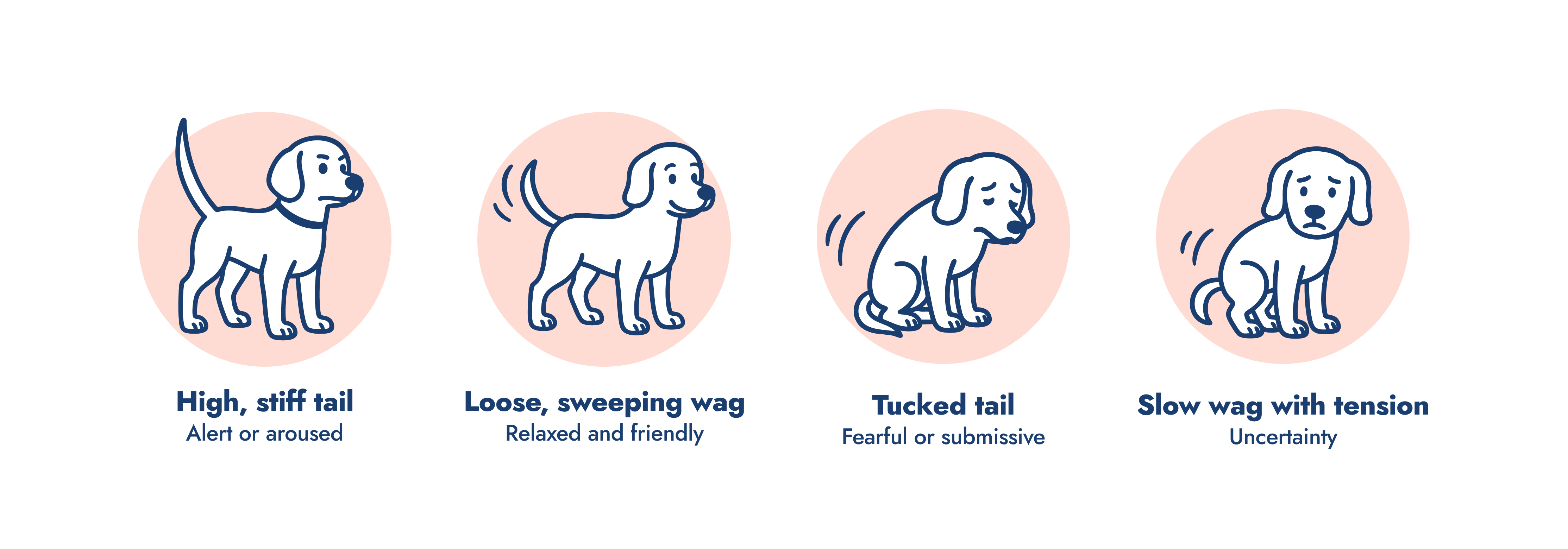
Tail, the Barometer of Emotion
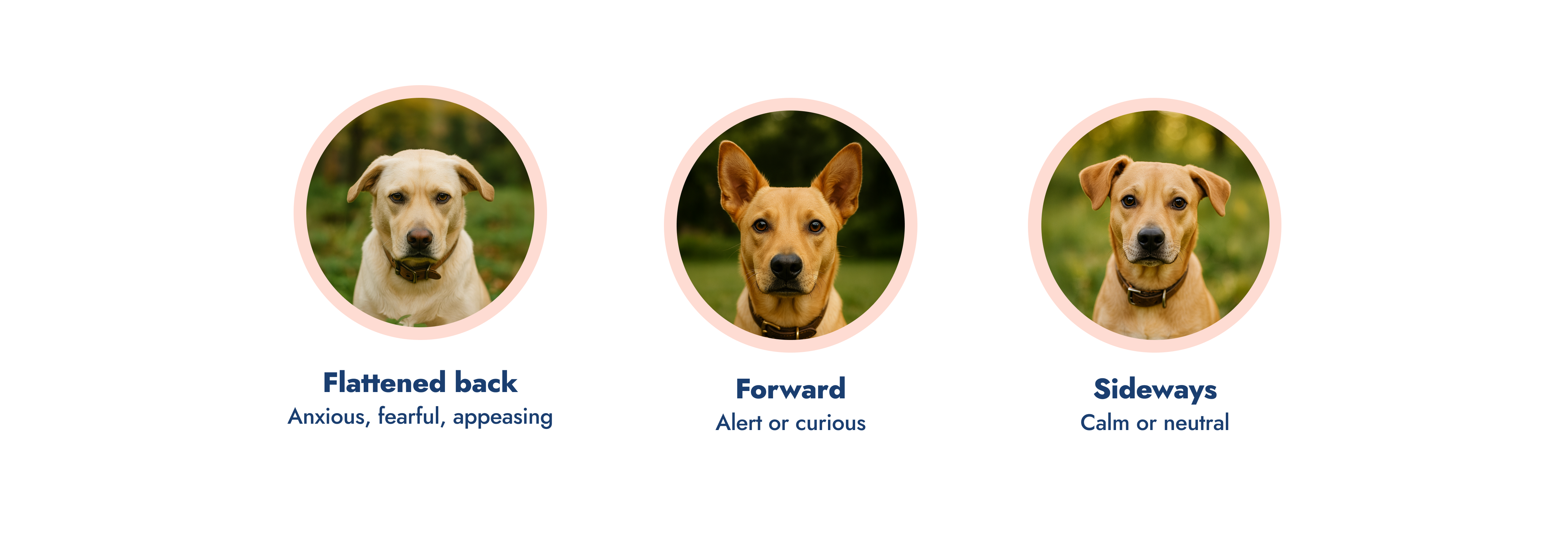
Ears, the Antennas of Intent
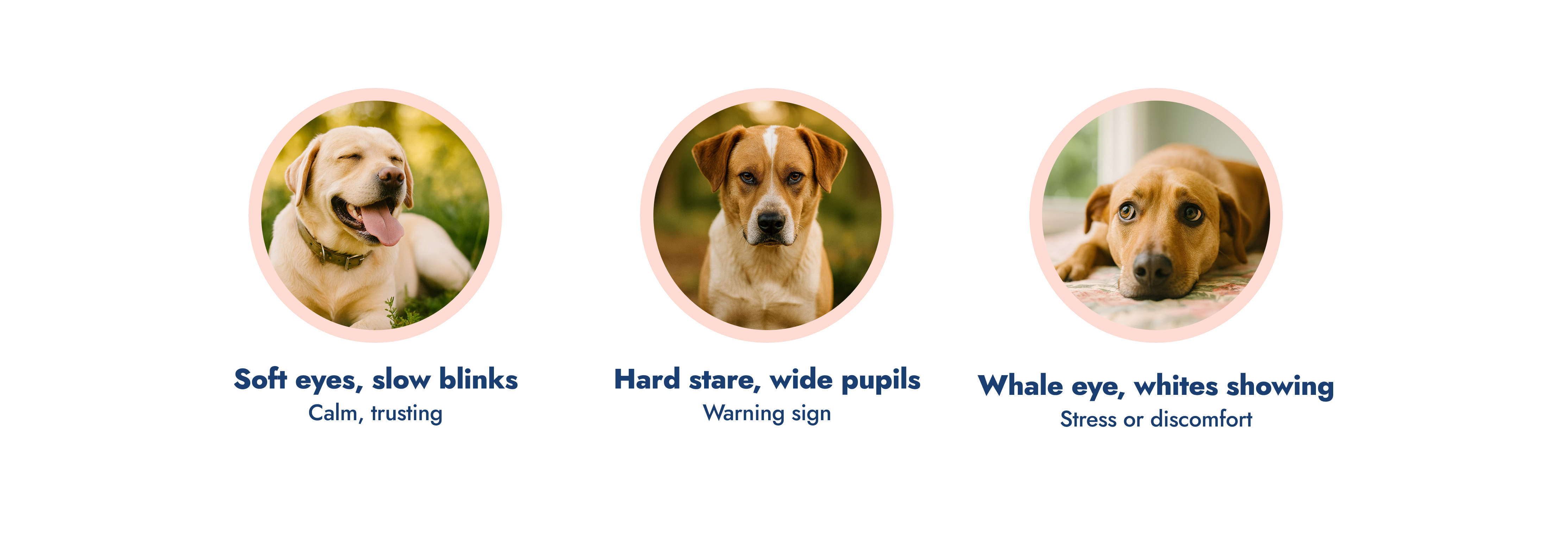
Eyes, the Windows of Trust
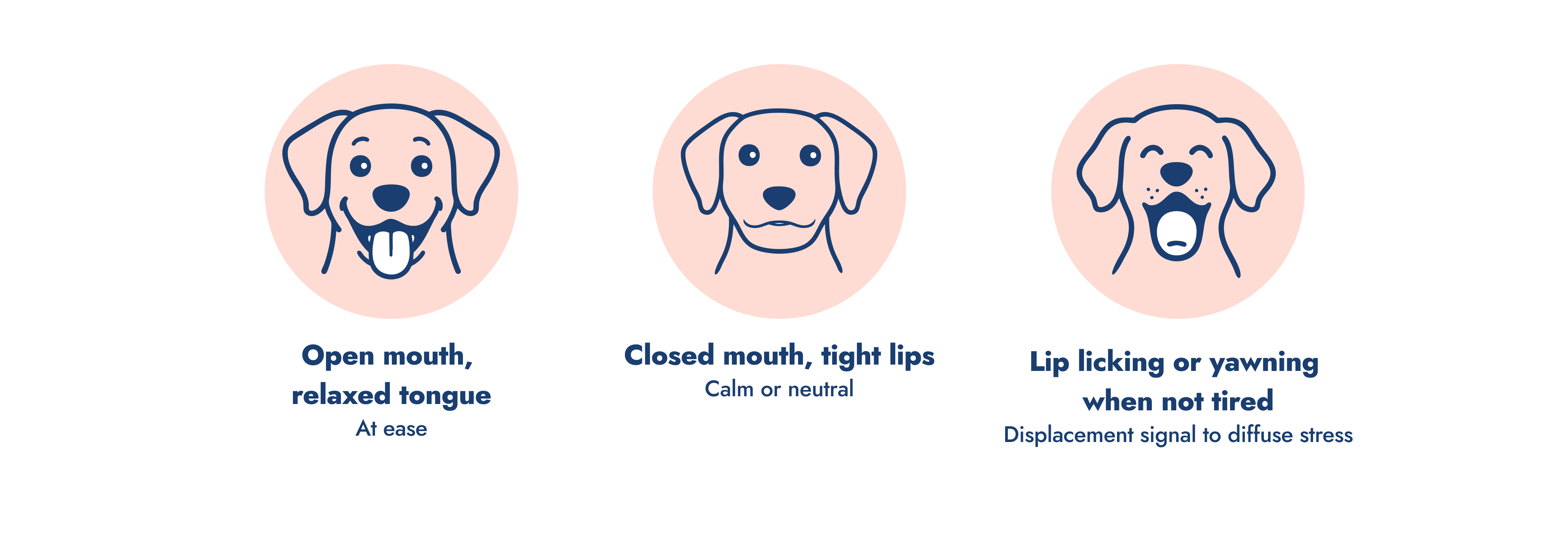
Mouth and Jaw, the Tension Tracker
Reading the Whole Picture
No single signal tells the full story. Dogs communicate with their entire body, and context matters.
A wagging tail paired with stiff posture is not the same as a wag paired with a playful bow.
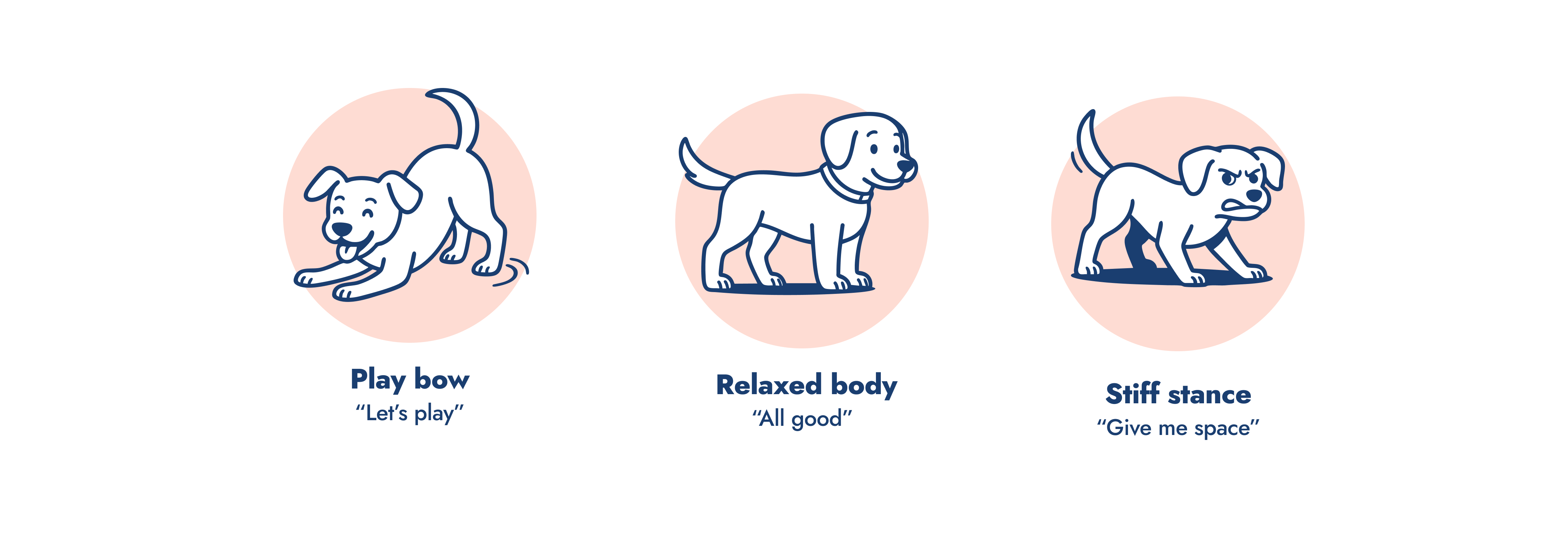
When interpreting your dog’s body language:
- Look at the whole body, not one part in isolation.
- Consider environment and triggers (new people, loud noises, other dogs).
- Factor in breed differences - a husky’s tail carriage is naturally higher than a greyhound’s, for example.
Think of it as a conversation. Each movement, glance, or shift in posture is a word or sentence, and it’s up to you to piece together the meaning.
Building Trust Through Observation
Dogs are incredible observers. They watch our tone, body language, and emotions closely. When you learn to do the same for them, the relationship deepens.
Try this:
- Spend a few minutes daily quietly observing your dog.
- Note their tail position, ear movement, breathing, and pupil size in different contexts.
- Keep a “body language journal” to spot patterns.
Over time, you’ll know the difference between “I’m nervous” and “I’m excited” at a glance — and your dog will know you’re listening.
Final Woof
Understanding body language isn’t just a skill. It’s empathy in motion.
It helps prevent bites, reduce stress, and build a bond based on respect rather than dominance.
Dogs speak through movement, expression, and subtlety. When you listen with your eyes and heart, you’ll start to understand just how much they’ve been saying all along.
If you are ready to put this into practice, meet the dogs on our site. Filter by size, energy, and age, read their notes, and choose a few that best suit your home and lifestyle, then meet in person to see where the bond takes you.
Further Reading
For those eager to dive deeper into canine communication:
- PetMD: How to Read Dog Body Language
- RSPCA: Understanding Dog Behaviour
- American Kennel Club (AKC): How to Read Dog Body Language
Outside Online: Happy, Aggressive, or Afraid? Reading Your Dog’s Cues


