
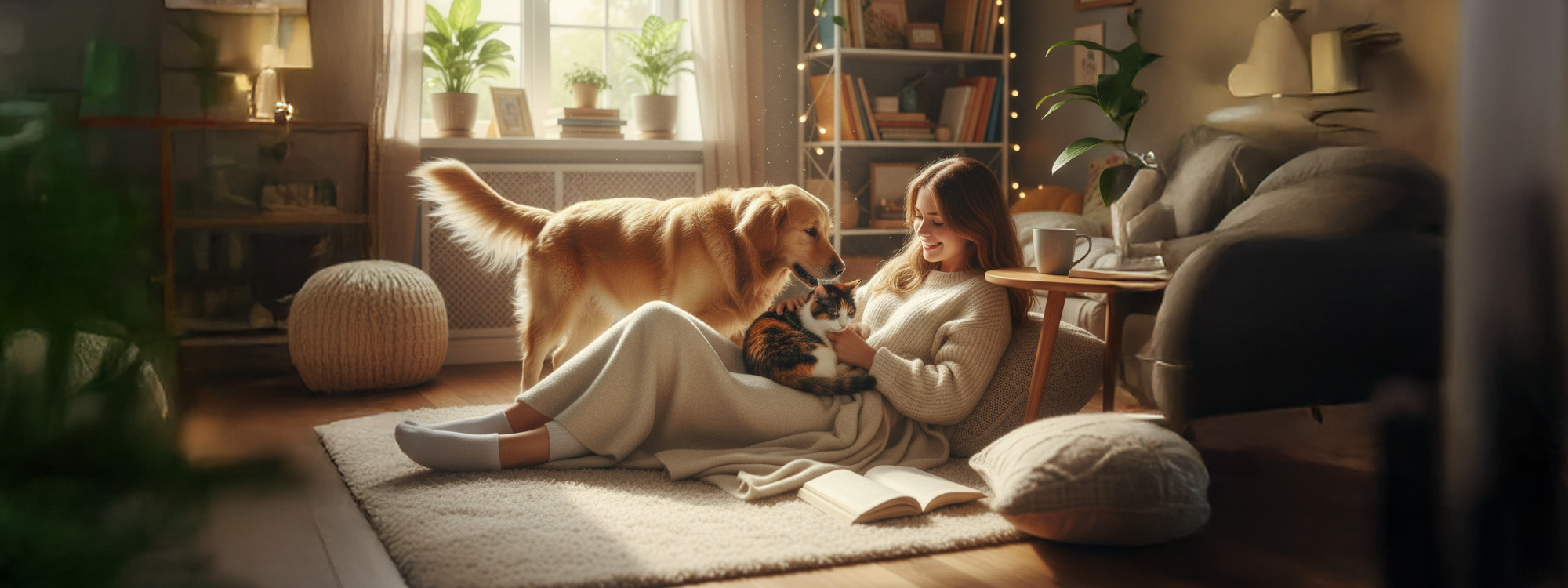
Connect: Mental Wellness, Trust & Emotional Safety
Why Mental and Emotional Wellness Matters
We often focus on our pets’ physical health, but their mental and emotional wellbeing is just as important. Pets are intelligent, social creatures. They can experience stress, boredom, joy, and even “blues,” much like humans.
Research shows that chronic stress can affect immune function, digestion, and behaviour. A mentally stimulated and emotionally nurtured pet is usually more confident, less prone to behaviour issues, health ailments and generally a more enjoyable companion. Whether you have a dog, cat, rabbit, bird, or small mammal, every species, and every individual, has unique emotional and cognitive needs.

Mental Stimulation for a Happy Pet
A busy mind is a happy mind. Pets deprived of mental challenges often develop unwanted behaviours: chewing, scratching, over-grooming, or repetitive movements. Mental enrichment keeps their brains sharp, reduces anxiety and stress.
Practical ways to stimulate your pet:
- Food Puzzles & Foraging Toys: Dogs, cats, and rabbits enjoy puzzle feeders or snuffle mats. These toys engage problem-solving skills and can slow down fast eaters.
- Training & Tricks: Positive reinforcement works for dogs, cats, and even parrots. Teaching new behaviours or tricks stimulates cognitive function and provides a sense of accomplishment.
- Interactive Play: Hide-and-seek, tug, or chase games are ideal for dogs and cats. Small mammals like rabbits benefit from supervised exploration and safe obstacle courses.
- Scent & Exploration Games: Cats and dogs love nosework. Rabbits and guinea pigs enjoy searching for hidden treats in hay. Birds can be stimulated by foraging toys or rearranging safe perches.
Jobs & Species-Specific Activities: Working dogs thrive on tasks like agility; cats enjoy puzzle feeders or climbing challenges; parrots and rodents enjoy enrichment that encourages natural behaviours like climbing, shredding, or chewing.

Interesting Mental & emotional wellness facts:
- Pets mirror our stress: Dogs’ long-term cortisol levels often match their owner’s, showing that our stress can affect their physiology.
- Chronic anxiety shortens lifespan: Dogs with long-term fear or separation anxiety are more prone to health issues and may live shorter lives.
Long‑term pet companionship supports cognitive health in older adults:
Research shows that people aged 65+ who have owned a pet for over five years perform better on memory and cognitive tests than non-pet owners. Suggesting a protective effect on brain health.

Socialisation and Companionship
Pets are social, but their needs differ by species and personality. Social deprivation can lead to anxiety, fear, or depression.
Ways to support emotional wellness:
- Early Socialisation: Puppies, kittens, and young small mammals need gentle exposure to people, other animals, and new experiences to develop confidence.
- Playmates & Social Interaction: Dogs and cats benefit from safe playdates; rabbits and guinea pigs often thrive in pairs. Birds enjoy interaction with humans or other compatible birds.
- Quality Family Time: Daily attention through cuddling, grooming, play, or simply sitting together strengthens bonds and reduces stress.
- Alone Time Considerations: Most pets enjoy some independence, but long isolation can cause behavioural problems. Provide enrichment, toys, or species-appropriate distractions during periods alone.
Respect Individual Preferences: Some pets are social butterflies, while others prefer quiet interaction. Honour their comfort zones.
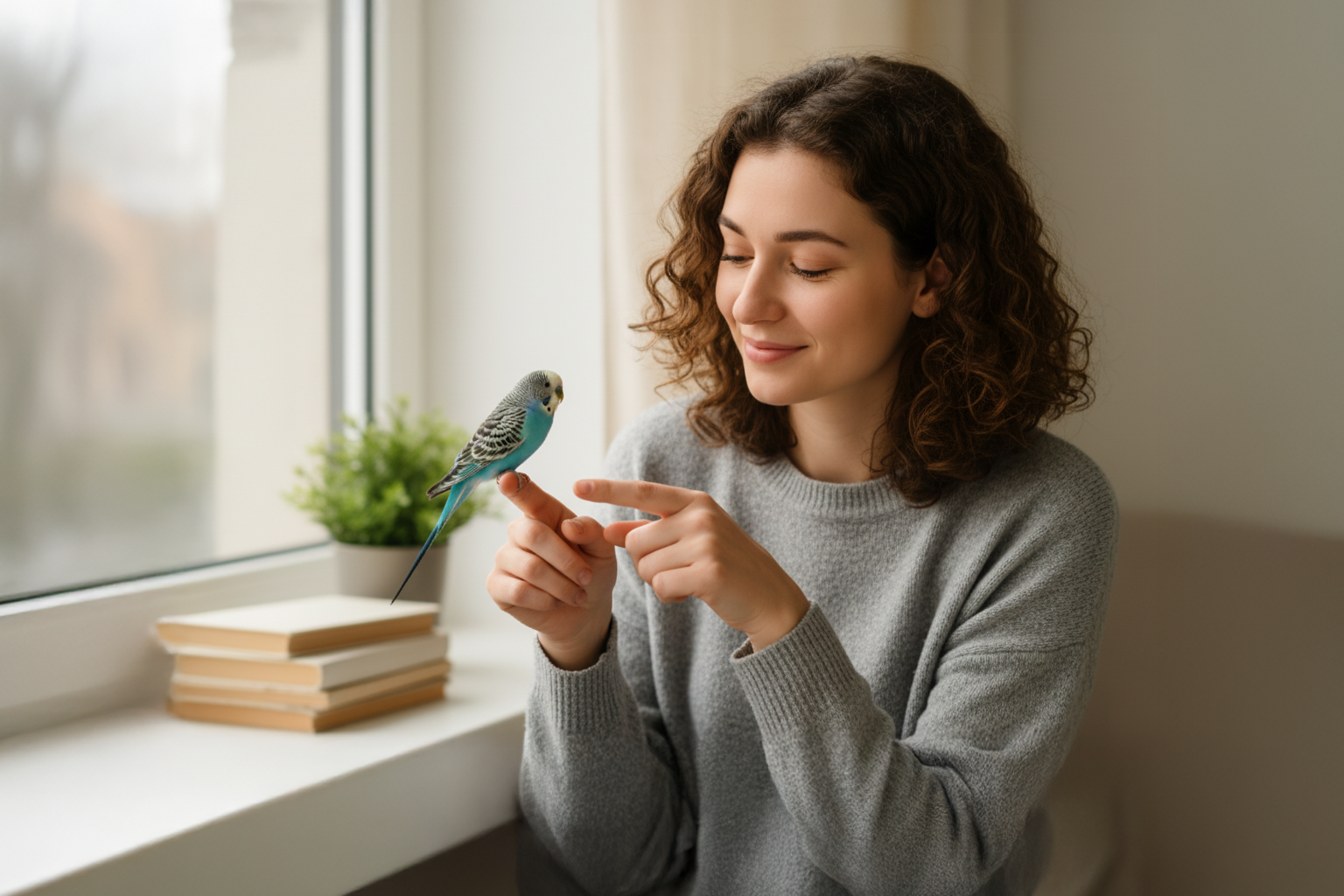
Reducing Stress and Anxiety
Stressors, such as loud noises, changes in routine, guests, or separation can cause health issues, including digestive problems, skin conditions, or weakened immunity.
Tips to reduce anxiety:
- Consistent Routine: Feeding, playtime, and rest schedules reduce uncertainty and stress.
- Safe Spaces: Create a quiet retreat: a crate for dogs, a cosy bed for cats, a hide box for rabbits or guinea pigs, or a quiet perch for birds.
- Watch Body Language: Signs of stress vary by species: panting, hiding, over-grooming, pacing, tail flicking, or vocalisation. Adjust the environment or interaction accordingly.
- Calming Tools: Thundershirts, body wraps (always under supervision), calming music, pheromone diffusers, or interactive toys can help pets feel secure during loud events like thunderstorms or fireworks.
- Separation Stress: Gradual departures, enrichment toys, and low-key arrivals/departures help reduce anxiety. Severe cases may require guidance from a veterinary behaviourist or pet wellness professional.
Remember, comforting a scared pet does not reinforce fear—it teaches them security and trust.

Professional Support for Pet Wellness
For personalised guidance on mental, emotional, and physical wellbeing, consult a pet wellness practitioner such as Animal Soul. They help pet parents understand stress triggers, provide enrichment strategies, and offer expert advice to strengthen the human-animal bond. Whether you have a dog, cat, rabbit, bird, or other companion animal, they help you understand your pet from a mental, emotional & physical aspect.
Takeaway
Their world is shaped by what you show them. The more you include your pet in life’s experiences, the more they get to explore and enjoy the world. Enrichments can include trips to the groomer, walks in nature, puppy school, playdates at daycare, vet visits, a stop for a pup-a-ccino, or even joining you before school drop-off with the kids. Pets thrive when they feel included in our daily lives.

We hosted a wellness event this past Saturday, Paws & Pose. We partnered with Prom Park in Mouille Point. The morning brought together yoga, sauna and cold-plunge sessions, community energy, freshly brewed coffee, delicious refreshments, and heartfelt support for the animals from Mdzananda Animal Clinic. Attendees arrived with their yoga mats and swimming gear, connected with fellow pet lovers, learned more about supporting their pets’ wellbeing, and enjoyed a warm, like-minded community experience.
References:
We Love Pets SA, Understanding Mental Health in Pets, https://www.welovepetssa.co.za/blogpost/understanding-mental-health-in-pets
PetMD, Dog Depression: Symptoms and How to Help Your Dog, https://www.petmd.com/dog/conditions/behavioral/dog-depression-symptoms-and-how-help-your-dog
Plains Vet, Anxiety & Depression in Dogs, https://www.northeast-vet.com/site/pet-care-blog-plains-vet/2024/04/15/anxiety-depression-dogs
Ballantyne Vet, A Comprehensive Guide to Pet Health and Wellness Tips, https://www.ballantynevet.com/blog/a-comprehensive-guide-to-pet-health-and-wellness-tips
Tranquility Vet, The Life of a Happy, Healthy Pet, https://www.tranquilityvet.com/the-life-of-a-happy-healthy-pet/


