
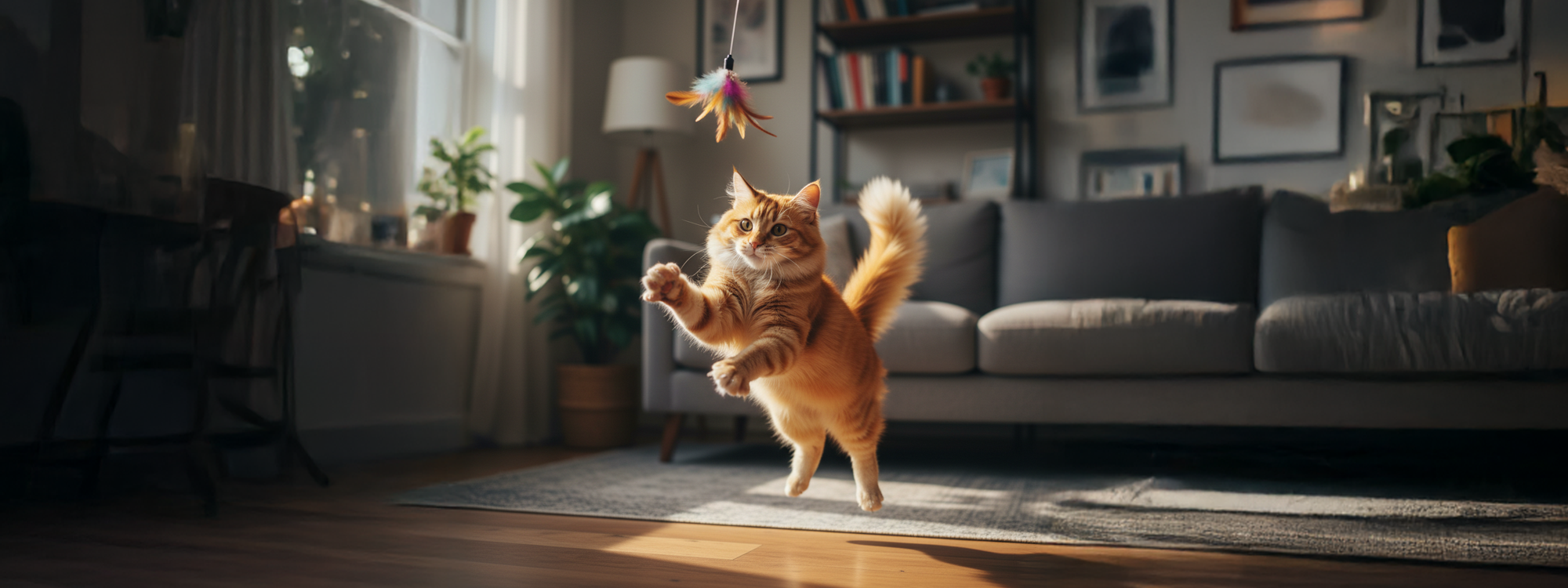
Move: Exercise and Activity for Healthier, Happier Pets
Across the world, veterinarians are noticing the same trend, pets are eating plenty, but many are not moving enough. More than half of dogs and cats in the United States are now overweight or obese (Source, Association for Pet Obesity Prevention). South Africa is following the same pattern, with vets reporting more mobility issues, chronic inflammation and weight related concerns than ever before.
The upside is that exercise does not need to be complicated. Small, thoughtful habits are enough to make a noticeable difference. And once movement becomes part of your everyday routine, everything else you do for your pet, grooming, nutrition, training and connection, works better.
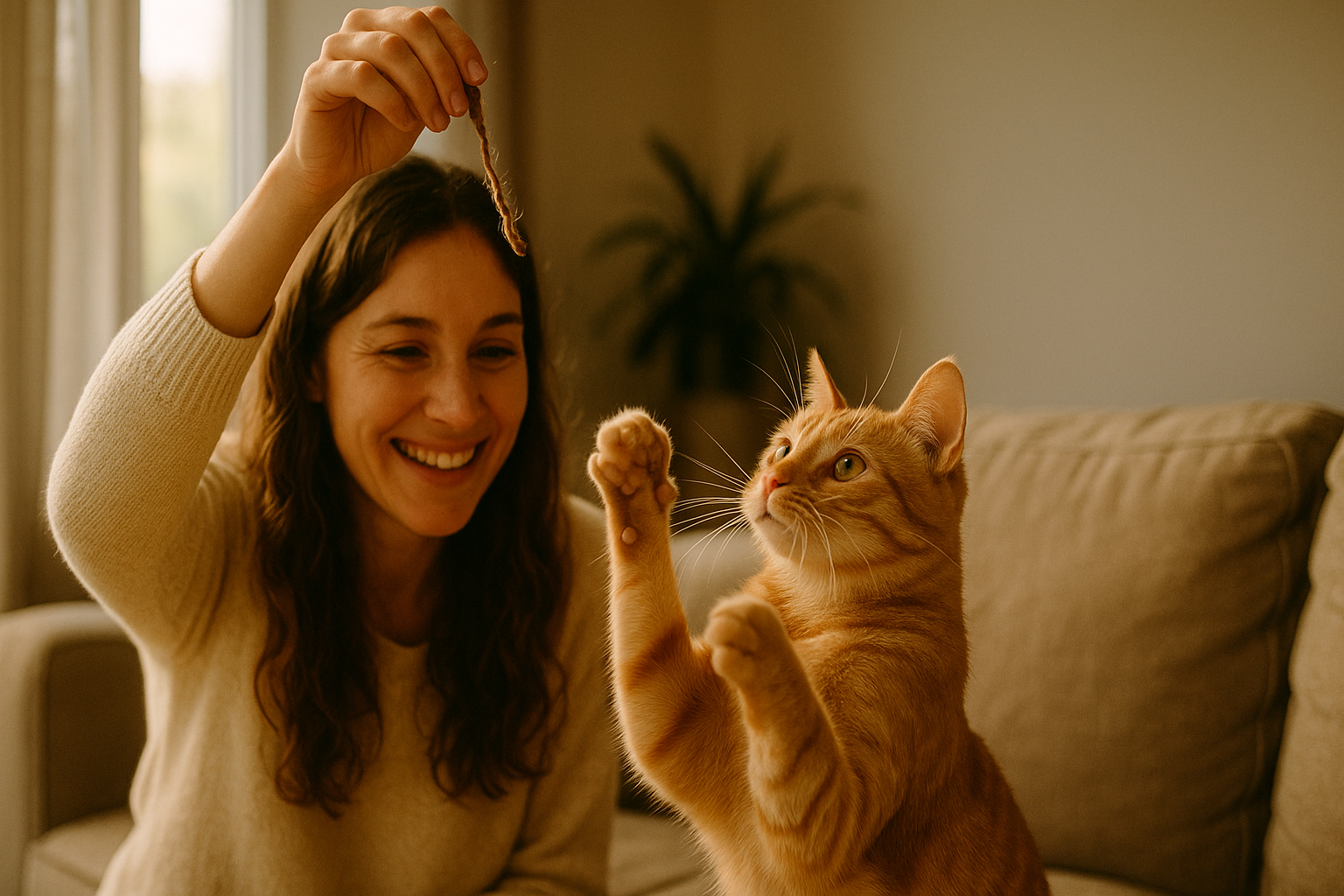
Why Movement Matters More Than You Think
Exercise is not just for burning biscuits. Regular activity:
- Boosts cardiovascular and lung function
- Keeps joints flexible and muscles strong
- Helps regulate appetite and digestion
- Reduces anxiety and destructive behaviours
- Improves sleep cycles
- Supports healthy ageing
Research shows that moderate daily exercise improves body condition scores, mobility and digestive function in dogs, especially when combined with balanced nutrition (Source, ScienceDirect). Cats show similar benefits, with even short bursts of prey style play improving metabolic health and reducing obesity related risks (Source, VetMed).
Top Tip
If your dog or cat is restless, pacing or pestering for snacks, they might be asking for stimulation, not food. Try a quick round of play, two minutes can settle them better than a handful of treats.
Movement, combined with good nutrition, is one of the simplest ways to support lifelong health.
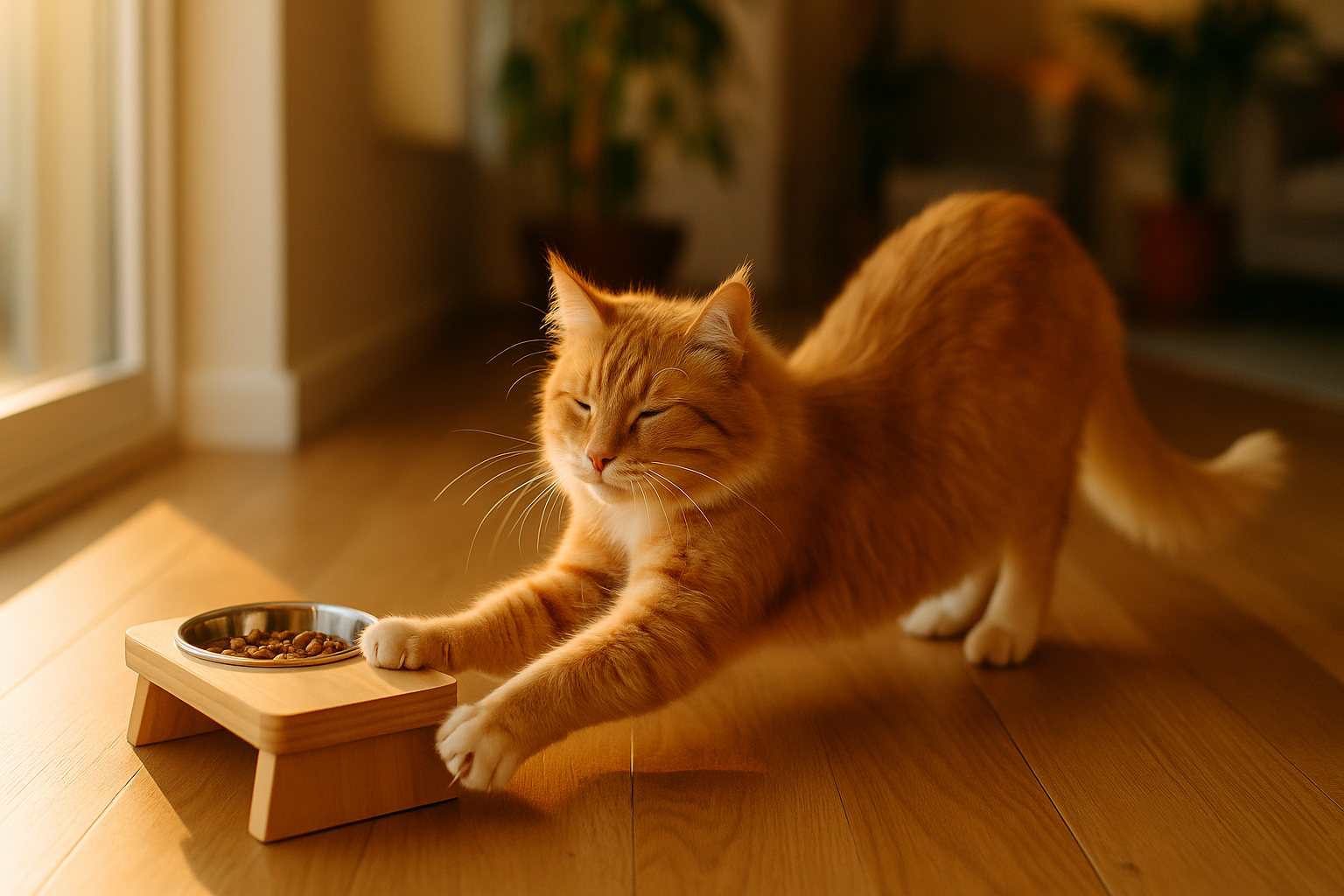
The Energy Equation: Exercise and Nutrition
Think of nutrition as fuel and exercise as how your pet spends it. When the two drift out of sync, weight gain creeps in quietly.
Active dogs need more calories for muscle repair, joint support and sustained energy. Less active or indoor pets often need controlled portions or specially formulated diets to prevent slow weight accumulation (Source, Association for Pet Obesity Prevention). For cats, controlled feeding and regular play are essential. Free feeding and low activity levels are a major driver of weight gain in indoor cats.
A simple body check helps:
If you can feel ribs easily without seeing them and notice a defined waist from above, you are probably close to the right balance.
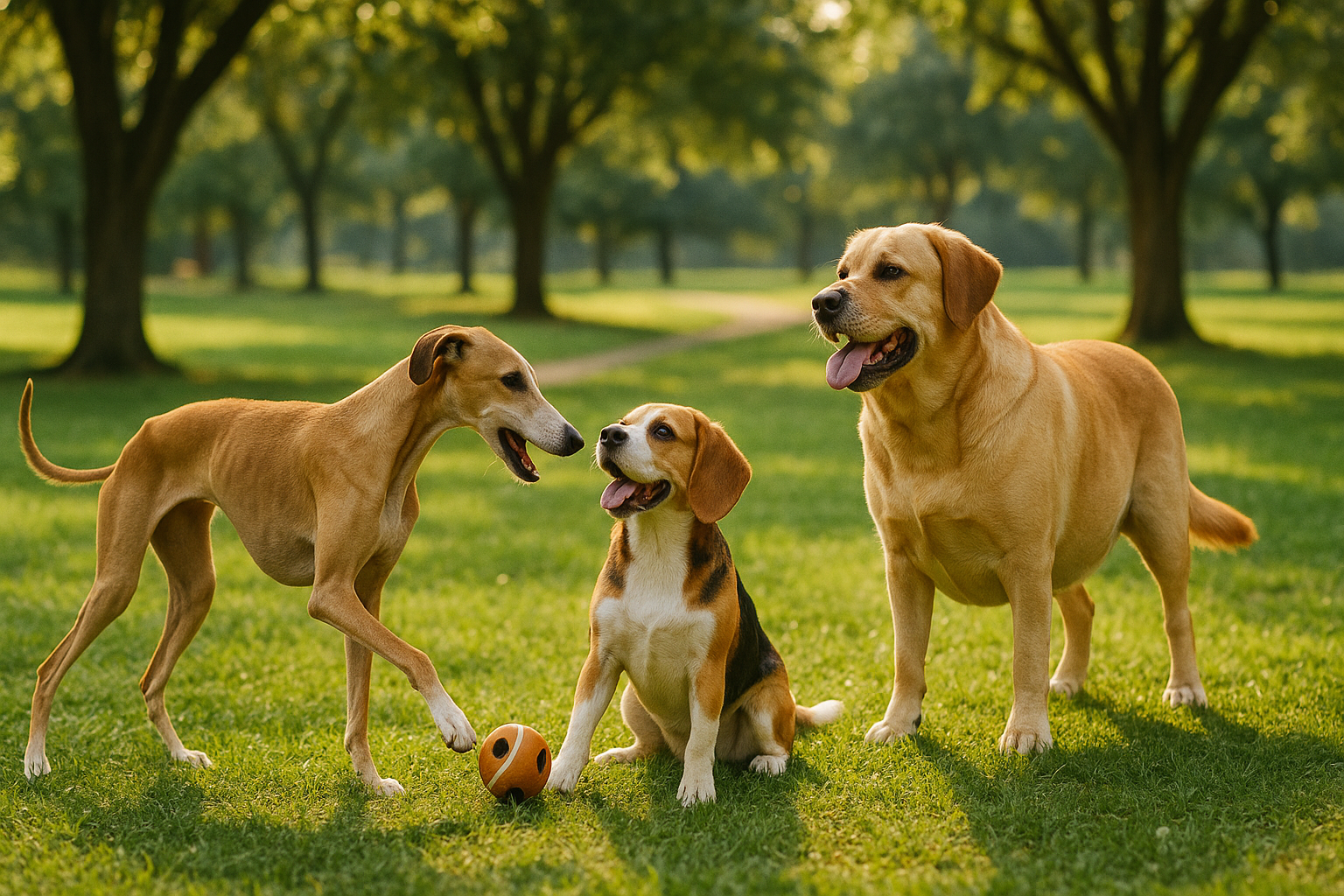
A Practical Guide to Exercising Your Dog
How Much Exercise Do Dogs Need?
There is no universal number, but most healthy adult dogs thrive with at least 30 minutes of purposeful daily movement, often more, depending on their breed, build and age (Source, Baywood Animal Hospital).
Breed and Size
- Small breeds
They tire faster during long-distance activity but benefit from frequent short walks and interactive play. - Medium to large active breeds
Collies, pointers, retrievers and other high-energy breeds often need 60 minutes or more of well-structured movement.
- Giant breeds
Slow, steady exercise is best, avoiding intense impact until bones are fully mature.
Age
- Young adults
Usually handle longer sessions if their joints and heart are healthy. - Seniors
Benefit from shorter, more frequent walks to maintain mobility.
Lifestyle
A dog who spends many hours alone needs a richer blend of physical and mental stimulation than one who moves throughout the day.
Top Tip
Watch your dog’s posture. Slowing down, falling behind or excessive panting can indicate discomfort or that the pace is too fast.
Exercise Walks vs Stimulation Walks
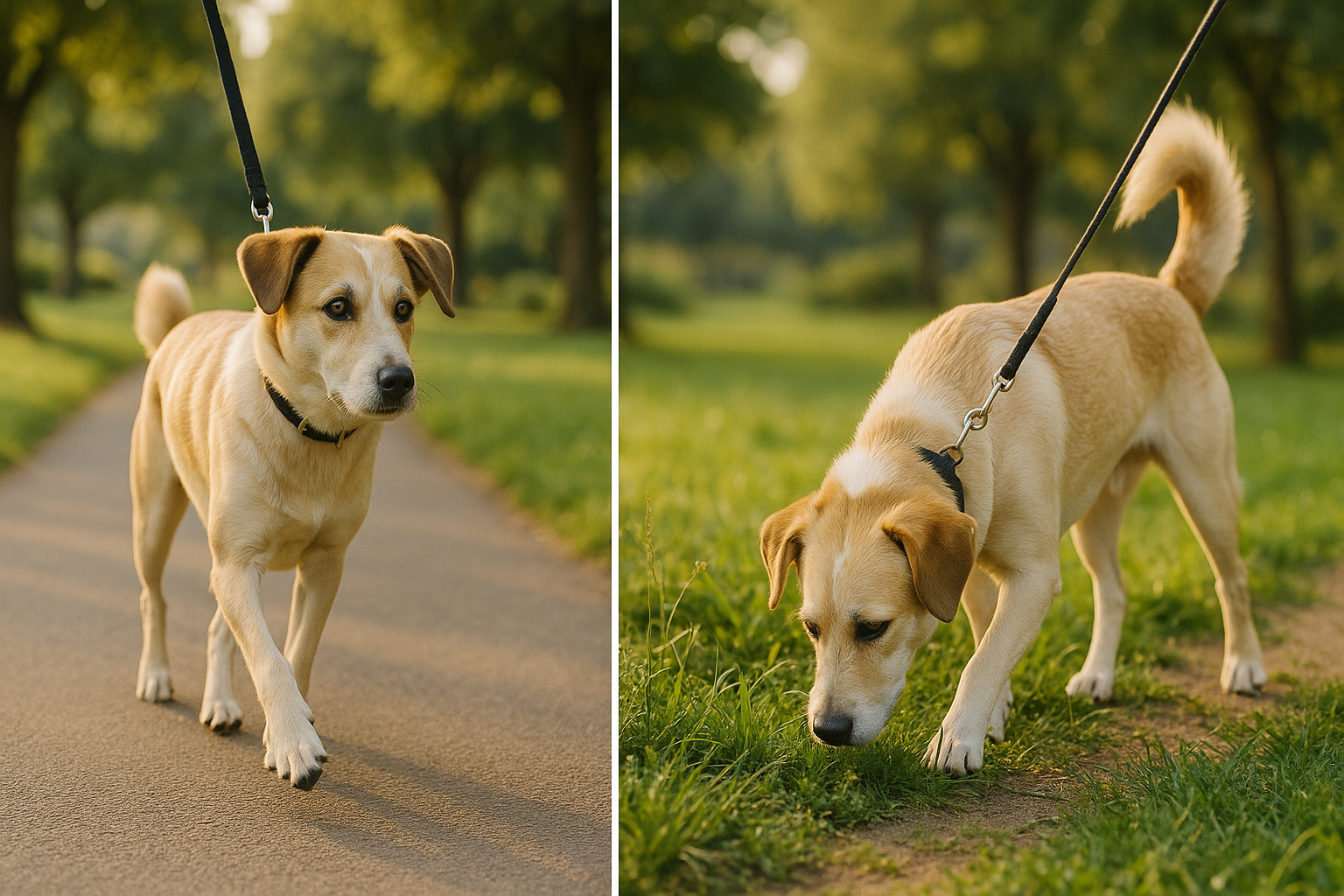
Both matter; they simply achieve different things.
Exercise Walks
- Steady forward movement
- Fewer stops
- Improves fitness and lead manners
Stimulation Walks
- Slow pace
- Freedom to sniff and explore
- Reduces anxiety and frustration
Sniffing is not a distraction; it is a need. Dogs gather information through scent, and it provides deep mental enrichment.
Top Tip
Label your walk types. Saying something like, "let us go explore" versus "let us go train" helps your dog understand expectations before you take the first step.
Activities Beyond the Pavement
Dogs do not only exercise on lead. Rotating activities keeps them satisfied and mentally sharp.
- Fetch and retrieve games
Great for ball lovers, but keep sessions controlled to avoid repetitive strain. - Tug
Encourages strength, confidence and healthy release of energy. - Nose work
Scatter food in grass, hide treats in boxes or use snuffle mats.
- Swimming
A low impact option for joint support if your dog is water confident.
If food is part of the game, deduct those calories from daily portions.
Puppies: Growing Bodies Need Gentle Structure
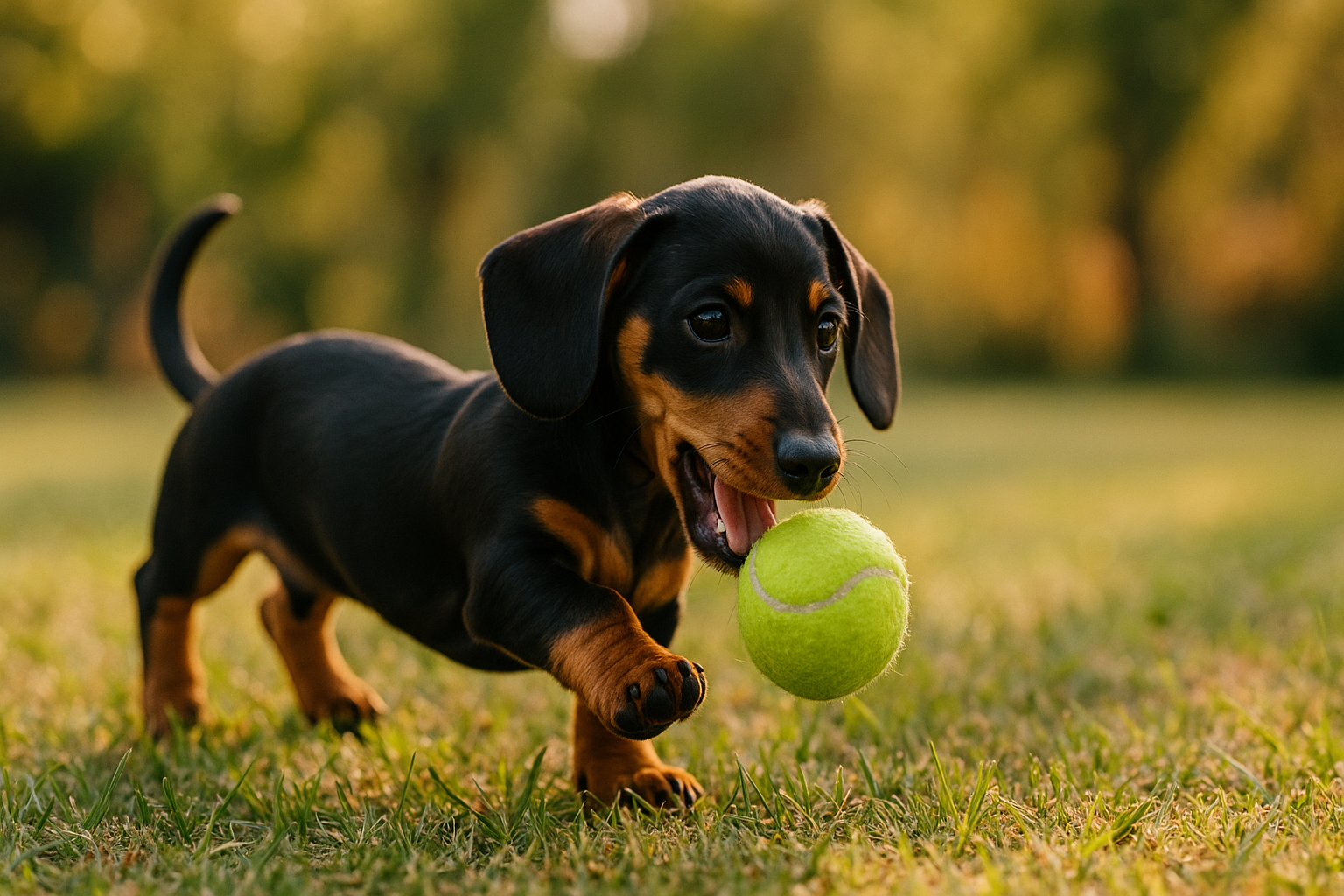
Puppies seem unstoppable, but their joints are still developing. Overdoing exercise during growth stages can increase the risk of joint problems later in life.
General guidance:
- Multiple short play sessions instead of long outings
- Avoid long-distance running, steep hikes and repetitive jumping
- Focus on socialisation, new surfaces and calm exploration
- Use puppy-specific diets to support balanced growth
Top Tip
Use meals as training rewards. It controls calories and builds excellent habits without overloading their stomach.
Seniors, Flat Faces and Special Considerations
Not all dogs are built for the same intensity.
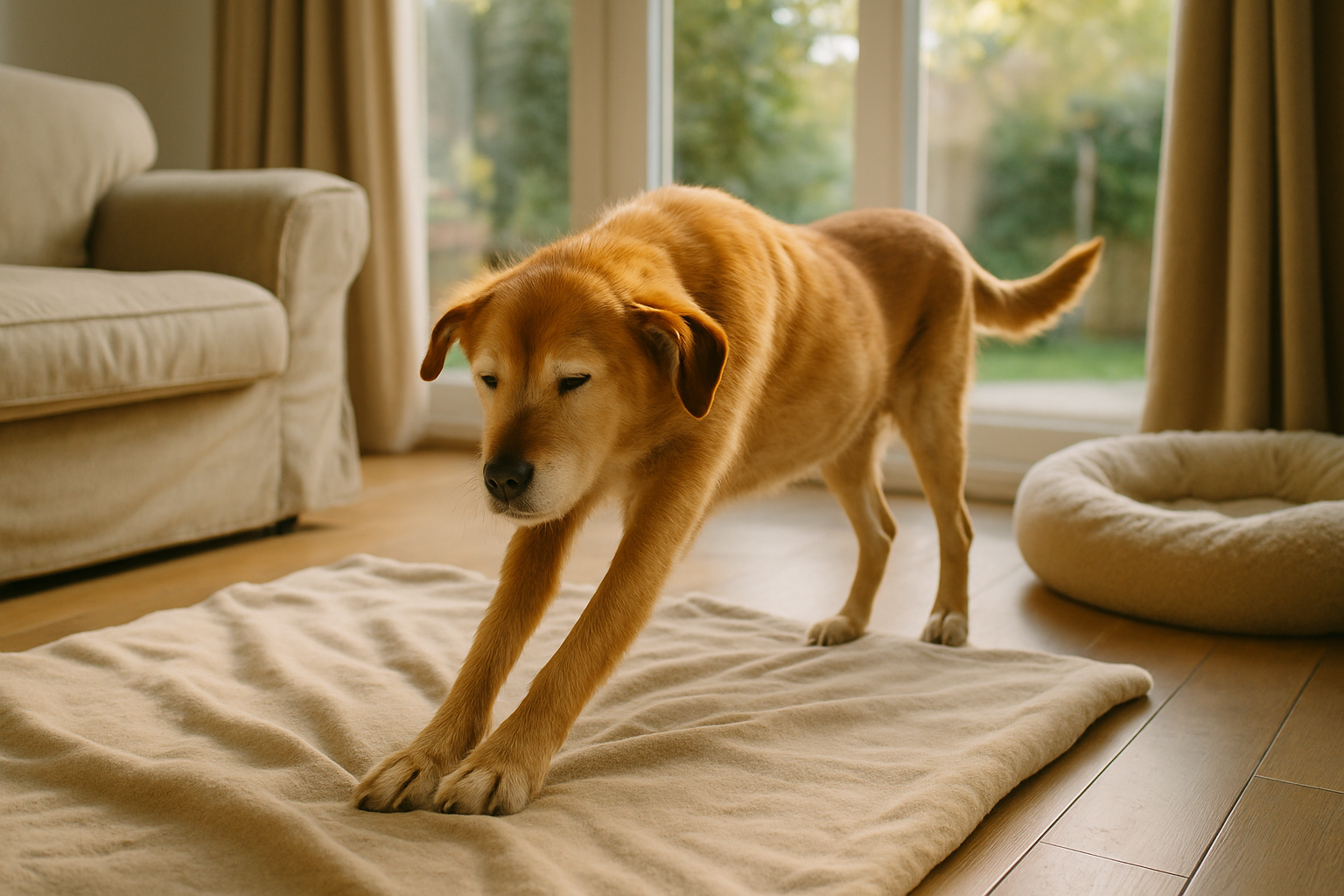
- Older dogs
Still need daily movement but in shorter, low-impact bursts. - Brachycephalic breeds
Bulldogs, pugs and similar breeds overheat easily and struggle with intense exercise. - Dogs with chronic conditions
Arthritis, heart disease or obesity call for customised plans created with your vet.
Weather Wise: Exercising Safely in South African Conditions
In the Heat
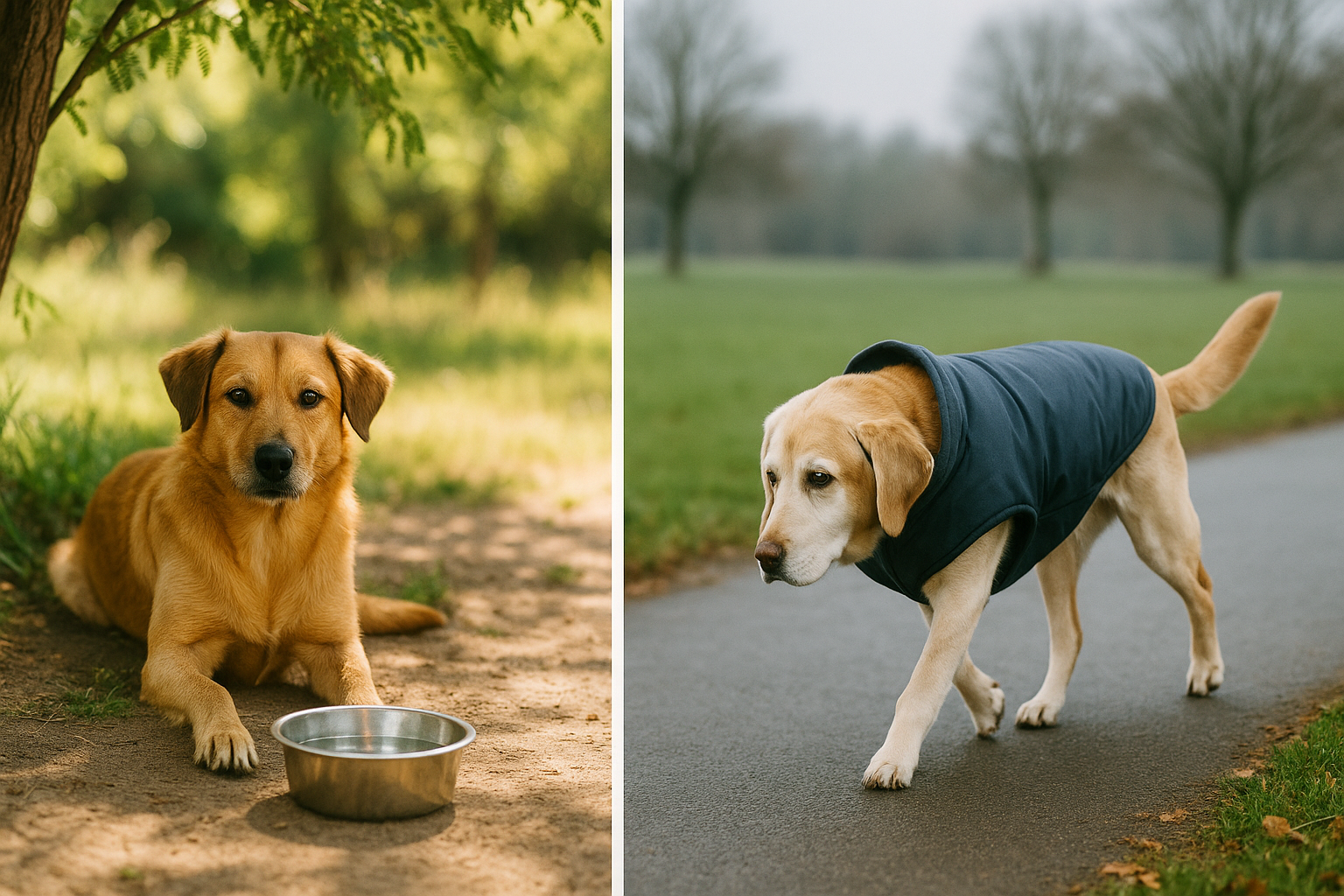
- Walk early morning or evening
- Avoid hot tar
- Carry water
- Watch out for panting, wobbling or vomiting
Heat stress can escalate quickly in many breeds.
In the Cold
- Short-coated dogs may need lightweight jackets
- Keep moving
- Dry thoroughly after rain
Top Tip
On extreme weather days, use indoor games, scent work and training sessions to fill the gap. Ten minutes here and there add up.
A Practical Guide to Exercising Your Cat
Cats Need Movement Too
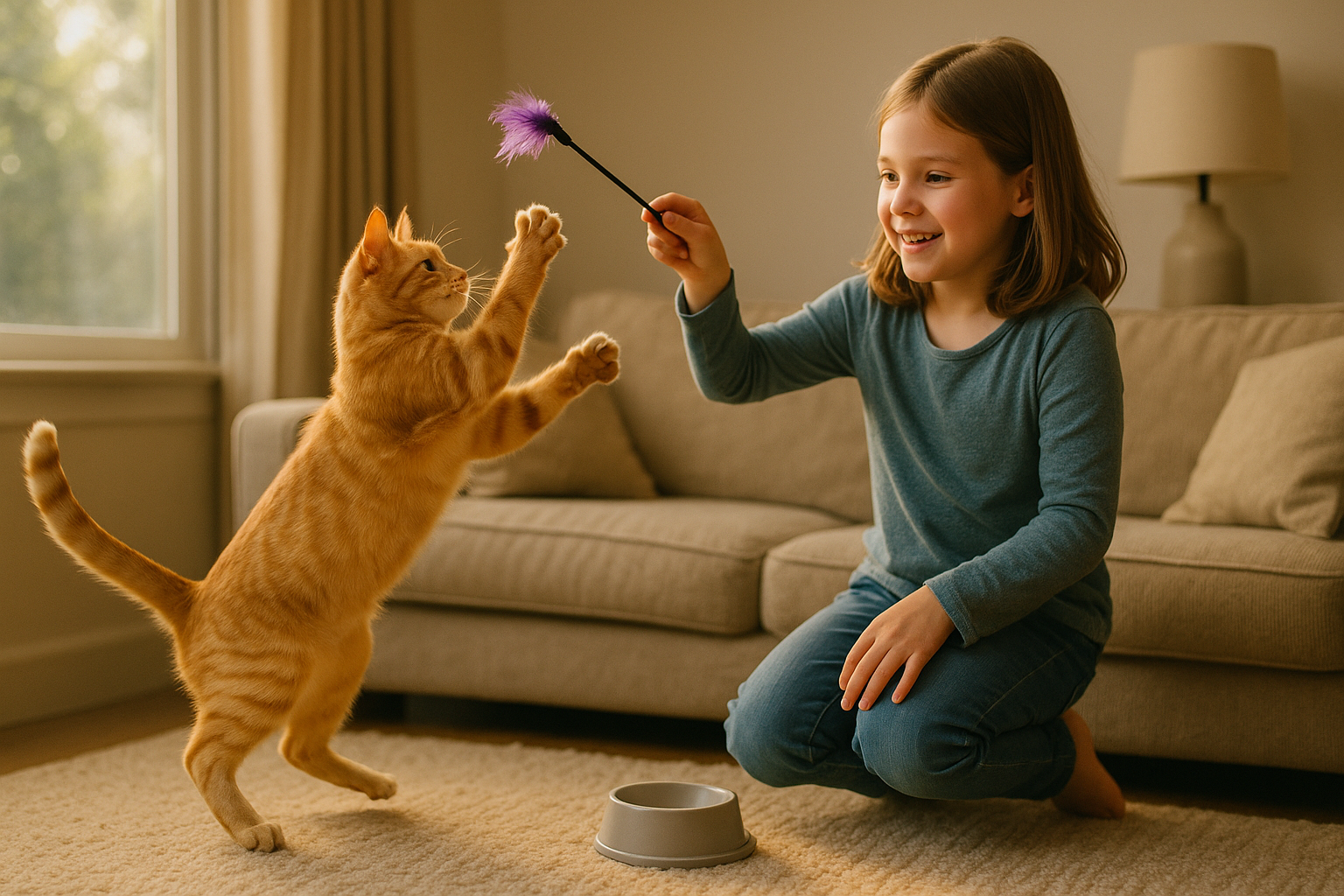
Indoor cats, especially sterilised adults, are highly prone to weight gain and boredom without intentional play. Short bursts of prey-style games improve metabolic health, reduce anxiety and support joint comfort.
How Much Activity?
Most behaviour experts suggest two to three interactive play sessions of 10 to 15 minutes daily. Kittens need more frequent bursts, and seniors prefer gentler sessions.
Top Tip
Attach play sessions to routines you already do, while the kettle boils, during evening TV time or just before bed.
Prey Play, Climbing and Enrichment
Cats need activities that mimic instinct:
- Wand toys
Mimic birds or mice. Move the toy away from your cat to imitate prey. - Rolling toys and balls
Encourage short, high-energy bursts. - Food puzzles or scatter feeding
Turn meals into hunting challenges. - Vertical spaces
Cat trees, window perches and safe shelves support climbing and confidence.
Enrichment is as important as calories for cats.
Matching Cat Exercise with Nutrition
Indoor cats burn fewer calories and often need carefully measured feeding or diets suited to sterilised or less active cats (Source, Association for Pet Obesity Prevention). Pairing play with meals supports the natural cycle of hunt, eat, groom, sleep.
Top Tip
If your cat begs for food between meals, offer two minutes of play first. It often satisfies their need for attention.
Busy Lives, Real Solutions
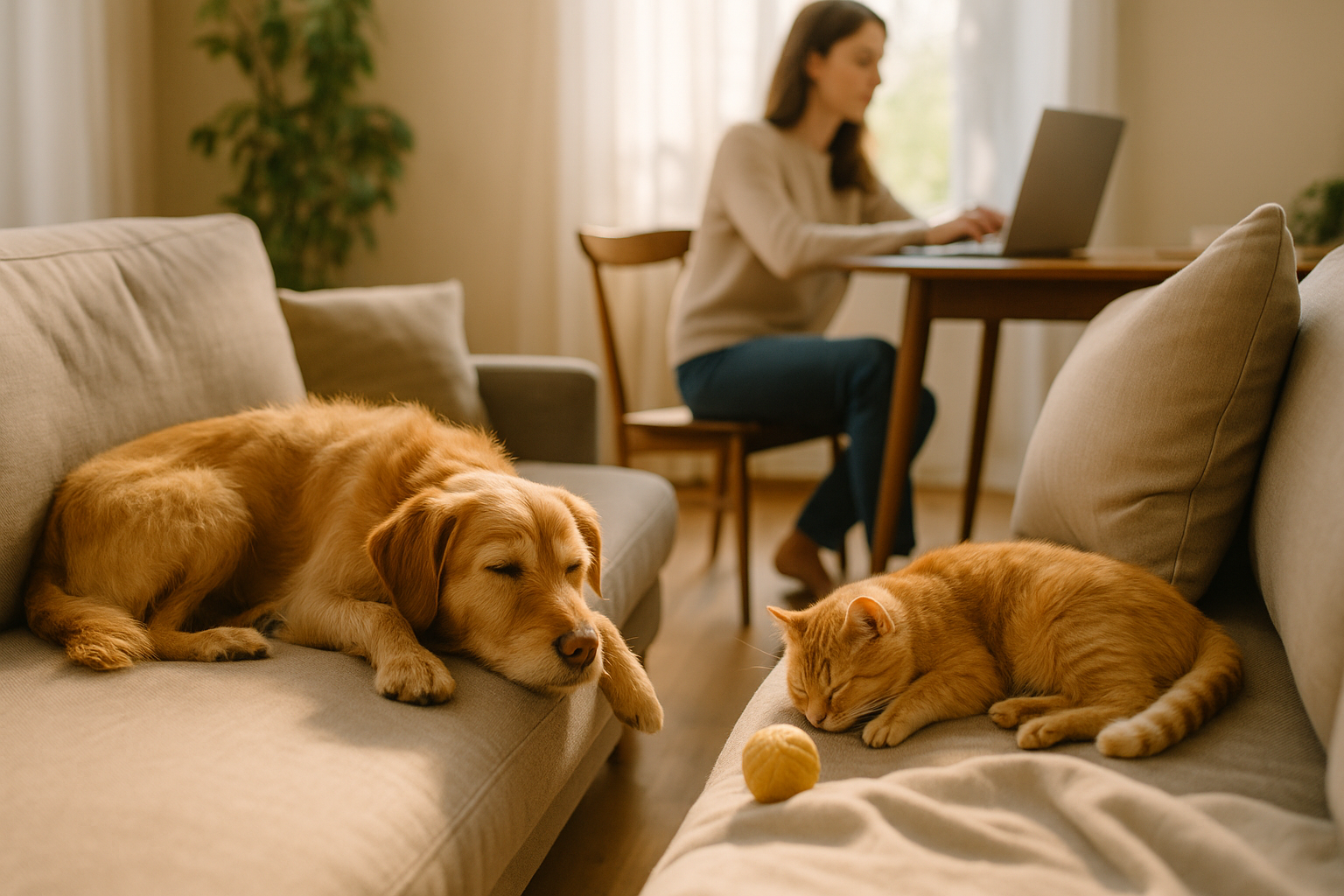
If you work long hours or juggle many responsibilities, exercise can feel overwhelming. Break it down.
- Two short dog walks instead of one long one
- Several cat play bursts occur throughout the day
- Fetch or indoor nose work between tasks
- Ask for help from family members or trusted neighbours
If exercise needs are consistently unmet, consider dog walkers, daycare or playdates. It is not a failure. It is responsible care.
Movement as Everyday Medicine
Exercise is not optional. It is daily medicine for heart health, digestion, emotional stability and long-term mobility. When paired with good nutrition and consistency, it can add years of comfort and joy to your pet’s life.
Start with small changes, an extra sniff walk, a five-minute game with a wand toy, a puzzle feeder instead of a bowl. These small adjustments accumulate into something powerful.
For more context, revisit our earlier blogs on digestive health and grooming. Each one connects back to this bigger picture of wellness.
Final Woof
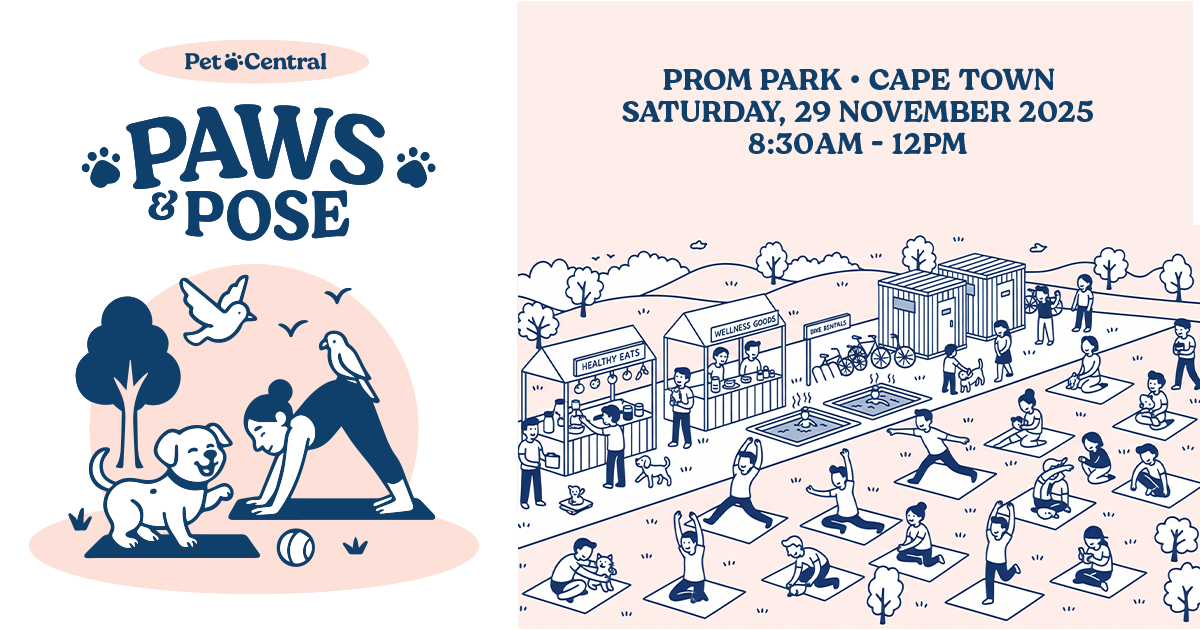
Wellness is easier when we do it together. That’s why we’re ending the month with Paws & Pose, a community morning of yoga, gentle movement, and animal-friendly fun. We’d love to have you join us and celebrate the progress you’ve made.
Book your spot
References
Association for Pet Obesity Prevention
https://petobesityprevention.org
ScienceDirect
Baywood Animal Hospital
https://www.baywoodanimaljax.com/diet-and-exercise-tips-to-keep-your-pet-in-fit-shape
VetMed (Veterinary Medicine Research via PubMed Central)


